Shubman Gill T20 World Cup Omission, When the Board of Control for Cricket in India (BCCI) announced Indias 15-member squad for the T20 World Cup 2026, few could have predicted the shock that followed. Among the biggest surprises was the news that Shubman Gill was dropped from the T20 World Cup 2026 squad, despite being Indias T20I vice-captain and one of the most promising young batters of this generation.
It wasnt just a curveballit was a full-blown twist that sent social media into a frenzy. Fans and cricket experts alike began asking the same question: how did Indias new batting hope suddenly lose his spot?
Lets break down what really led to this bold decision, what it means for Gills future, and how it reflects the evolving strategy of Team India.
A Surprising Snub: Gill Left Out of T20 World Cup 2026
Just a few months ago,Shubman Gillwas being groomed as Indias T20I vice-captain underSuryakumar Yadav. The idea was clearblend youth and experience, build a lineup for the future. Gill, with his elegant stroke play, looked set to be Indias long-term opener alongsideAbhishek Sharma.
But when the official T20 World Cup squad dropped on Saturday, Gills name was nowhere to be found. Even more surprising was the lack of prior communicationaccording to reports,Gill learned about his omission only after the squad announcement went public.
Talk about a shocker.
Inside the Selection Drama
Behind the scenes, the decision wasnt as sudden as it seemed. TheAjit Agarkar-led selection committeehad already made up its mind days before the official announcement.
Sources suggest that selectors were seriously concerned about Gills lack of rhythm in the shortest format. While he continued to impress in ODIs, his strike rate and consistency in T20Is just didnt fit the teams new vision.
Pitch Conditions and Powerplay Pressure
Now, lets talk strategy. TheT20 World Cup 2026will see India playing across multiple venues, where pitches are expected to get slower as the tournament progresses.
What does that mean? The first six oversthe powerplaybecome absolutely crucial. Teams will need openers who can attack from ball one rather than settle in slowly.
Gill, known for his elegant build-up style, suddenly looked out of place in this equation. The selectors, therefore, turned to players likeSanju Samson,Abhishek Sharma, andIshan Kishanbatters with explosive intent who can make the most of the early overs.
It wasnt about Gills talent; it was about tempo.
The Rise of Sanju Samson and the New Opening Philosophy
Sanju Samson, often seen as one of Indian crickets unfulfilled talents, was handed the opening spot that many thought was locked in for Gill. Samsons aggressive style, combined with Abhishek Sharmas fearless approach, gave the selectors confidence that the team could dominate those powerplay overs.
This change reflects a broader philosophical shifta move away from classical, steady-build batting tohigh-impact, high-tempo cricket.
Its not personal. Its tactical.
Hardik Pandya and the Balance Factor
Shubman Gill T20 World Cup Omission, The drop of Shubman Gill wasnt the only conversation in the selection room. Indias finishing woes have been a visible concern lately, with Hardik Pandyaoften forced to carry too much weight at the end of innings.
The selectors saw an opportunity to tweak the balance. EnterRinku Singh, the pocket dynamite known for his fearless hitting. Bringing Rinku back meant giving Pandya more support during the slog overs, freeing him to play more naturally and flexibly.
Gills omission, in this sense, was also a matter ofteam compositiona puzzle where all pieces must fit perfectly.
The Official Word: Combinations Over Form
When asked about the exclusion, chief selectorAjit Agarkaroffered a diplomatic but telling answer.
Youre looking at combinations at the moment. Someone has to miss out when you take 15. And unfortunately, its him (Gill). Its not because hes not a good player, Agarkar explained during the press conference.
Translation? Gill might not have done much wrong, but someone had to make wayand Gill drew the short straw.
Gills Response and Whats Next
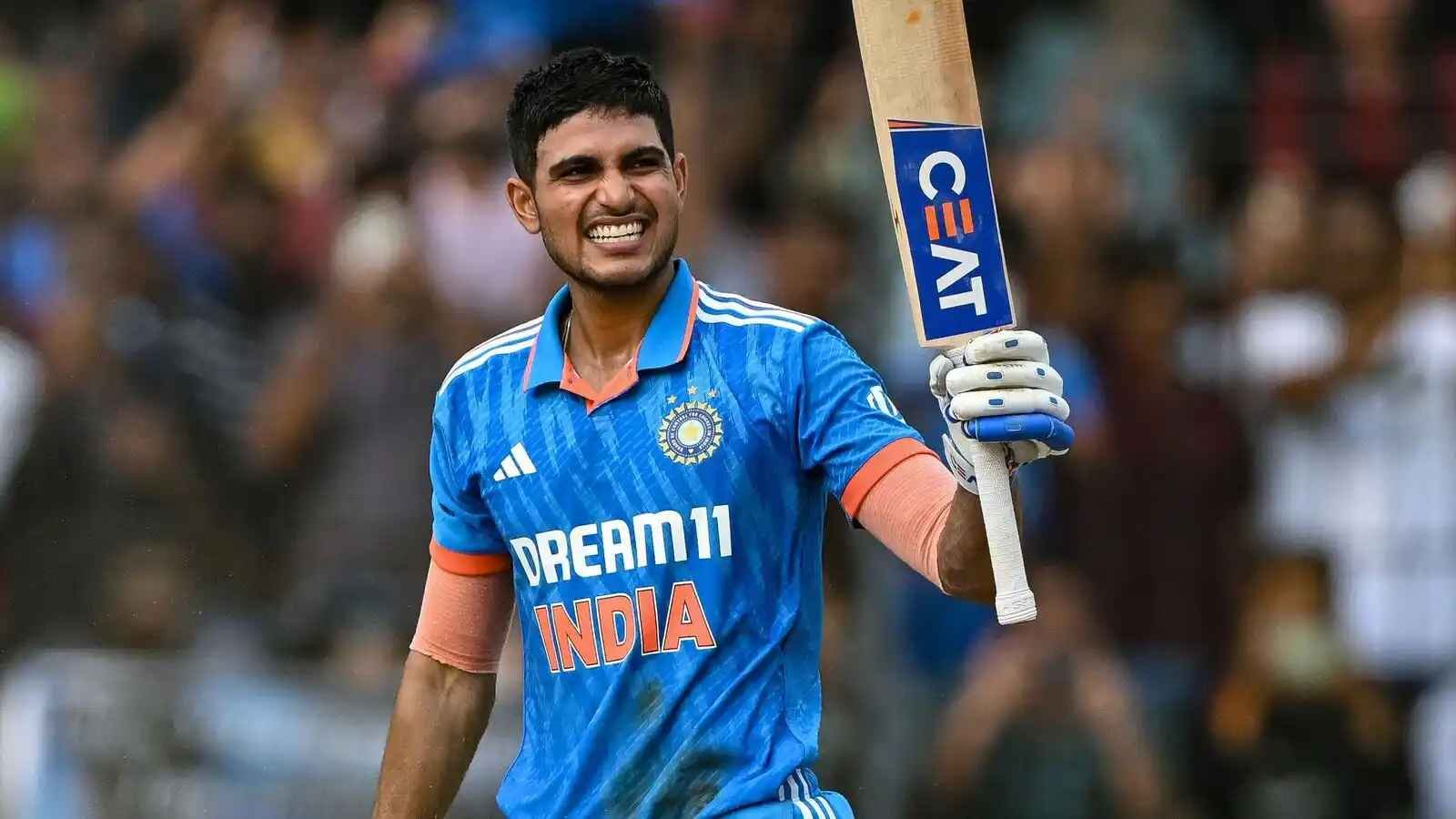
To his credit,Shubman Gillhasnt shown any public frustration. In true professional spirit, he simply shifted his focus to theVijay Hazare Trophy, Indias premier domestic 50-over tournament.
Gill will now leadPunjabin the competition, which begins onDecember 24, 2025, and features several star players includingAbhishek SharmaandArshdeep Singh.
The tournament serves as a platform for Gill to get back into rhythm, score runs, and remind the selectors of what theyre missing out on.
A Look at Gills Recent Form
To be fair, Gills form in 2025 hasnt been dismal. He played11 ODIs, scoring490 runs at an average of 49, including two fifties and two centuries. Impressive numbers, right?
But heres the catchT20Is demand something different. Its not about accumulation; its about acceleration.
Gills strike rate struggled to match the explosive standards set by others in the squad, and in a game that lasts barely 120 balls per innings, that difference can be decisive.
The Competition Hes Facing
Shubman Gill T20 World Cup Omission, When theres a talent pool as deep as Indias, every slot becomes a battlefield. For one openers slot, there were four contendersGill, Samson, Kishan, and Abhishek. All bring something different to the table, but only two can start.
Throw in experienced power hitters likeSuryakumar YadavandRinku Singh, and the pressure on top-order batters to play aggressively from the get-go becomes immense.
Simply put, the competition is ruthless.
Gills Captaincy Role in Punjab: A Silver Lining
Heres the good newsGill still has leadership duties to focus on. As Punjabs captain in theVijay Hazare Trophy, hell have the chance to shape a young, talented side featuring the likes ofPrabhsimran Singh,Anmolpreet Singh, andHarpreet Brar.
Leading a domestic side could also rejuvenate Gills confidence and offer him the freedom to experiment with his batting without the constant pressure of international scrutiny.
Every setback, after all, is an invitation to evolve.
Will Gill Return Before Indias New Zealand Series?
Indias cricket calendar remains packed, with athree-match ODI seriesagainst New Zealand kicking off onJanuary 11, followed byfive T20IsfromJanuary 21.
Gill, expected to lead the ODI side, might use this window to reassert his presence. A solid domestic performance could easily swing momentum in his favor before the New Zealand series begins.
Timing, as they say, is everything.
Why the Selection Makes Sense for India (Even If It Hurts)
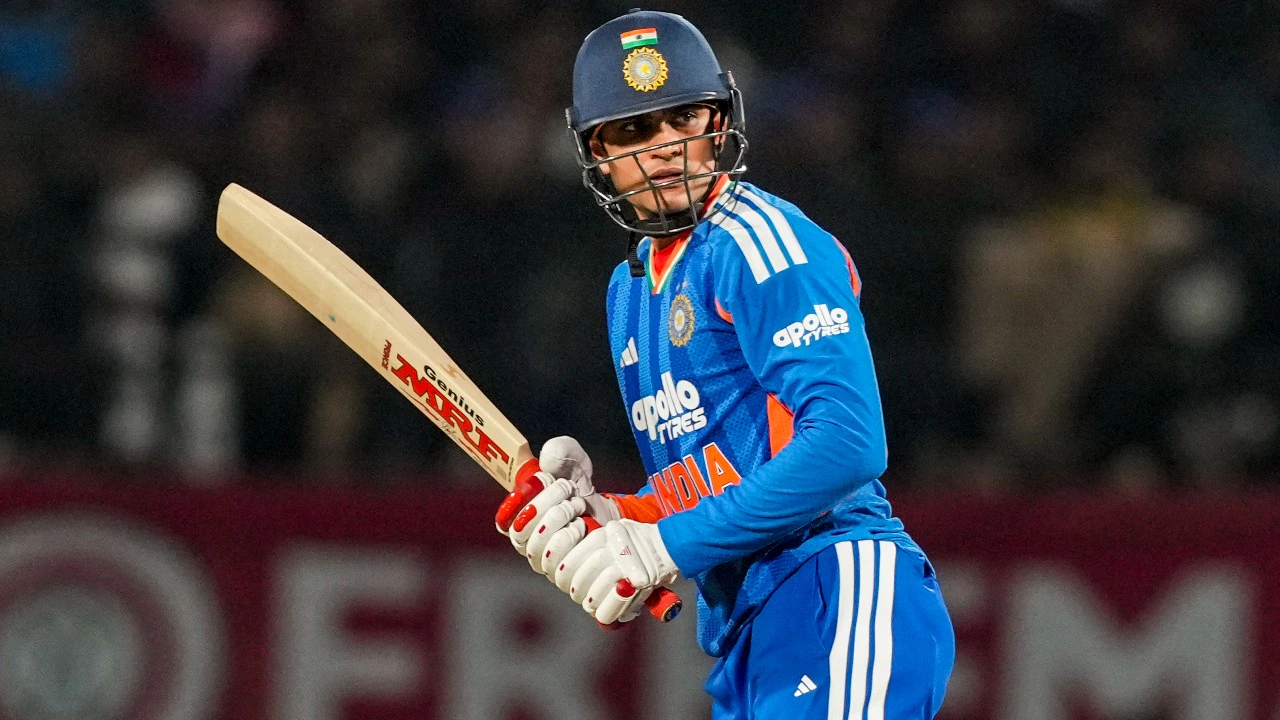
From a fans perspective, dropping a player of Shubman Gills caliber seems harsh. But if you view it strategically, it aligns with Indias long-term T20 goalan aggressive, fearless batting blueprintfrom top to bottom.
The team doesnt just want players who can anchor; it wants players who can take games away inside six overs. In modern T20, thats the difference between winning and just competing.
So, while it stings to see Gill out, this decision may be the shake-up India needs to stay ahead in a rapidly evolving format.
The Importance of Mindset in T20 Selection
In todays cricket landscape, talent alone isnt enough. The mindset matters just as much. The selectors now emphasize adaptability and fearlessnessa willingness to risk failure for the sake of team momentum.
Gills classical, time-the-ball style has its place, especially in ODIs and Tests. But for T20s, the message is clearintensity over elegance.
Its a fine line every modern cricketer must now walk.
Timeline of Events: From Vice-Captain to Omission
-
August 2025 Shubman Gill appointed Indias T20I vice-captain.
-
SeptemberNovember 2025 Underwhelming T20 performances raise concerns.
-
December 19, 2025 India concludes its T20I series vs South Africa.
-
December 21, 2025 BCCI announces the T20 World Cup 2026 squad, excluding Gill.
-
December 24, 2025 Gill named in Punjabs Vijay Hazare squad.
In just four months, Gill went from being part of the leadership group to an outsider watching from domestic sidelinesa reminder of how brutally fast-paced international cricket can be.
Fans Reaction: Shock, Support, and Speculation
Unsurprisingly, fans flooded social media once the squad was revealed. While many backed the selectors tactical decision, others argued that India might miss Gills stability and class.
Memes, emotional posts, and heated debates followed, but one sentiment was unanimous: everyone expects Gill to bounce back stronger. After all, resilience is part of his DNA.
Shubman Gills Road Ahead
For now, Shubman Gills focus is clearscore runs, regain confidence, and remind everyone why hes considered one of Indias brightest cricketing hopes. His T20 career may be temporarily paused, but the story is far from over.
Domestic cricket will give him the sandbox to refine his aggression, maybe even reinvent himself. As weve seen with players like Kohli and Rohit, every great comeback starts with a setback.
Similar Articles: India T20 World Cup 2026 Squad: Suryakumar Yadav Leads, Gill Omitted, Rinku Back
Conclusion
Shubman Gill T20 World Cup Omission, In the grand scheme of things, Shubman Gills omission from the T20 World Cup 2026 squadmight just be the turning point he needs. Sometimes, being sidelined forces reflection, adaptation, and renewed hunger.
India, meanwhile, continues its evolution toward explosive cricketa format where risk-taking and tempo rule. For Gill, this chapter may feel harsh, but its hardly the final one.
Cricket loves a redemption arc, and Shubman Gill might just be gearing up for his most defining one yet.