

📋 Table of Contents
- Chapter 1: The Associate Revolution – By The Numbers
- Performance Milestones (2020-2024)
- Participation Growth
- Chapter 2: Case Studies of Success
- 1. Afghanistan's Meteoric Rise
- 2. Ireland's Steady Progress
- 3. USA's Franchise-Fueled Growth
- Chapter 3: The Development Blueprint
- 1. ICC's High Performance Program
- 2. The T20 Franchise Pathway
- 3. Smart Talent Identification
- Chapter 4: Ongoing Challenges
- Financial Realities
- Infrastructure Gaps
- Competitive Barriers
- Chapter 5: The Future Roadmap
- 1. Two-Tier Test System
- 2. Global T20 League Network
- 3. Women's Cricket Expansion
- Chapter 6: Players Changing the Game
- Associate Superstars
- Coaching Pioneers
- Chapter 7: The 2030 Vision
- Projected Landscape
- Olympic Dreams
- Conclusion: Cricket's Globalization Accelerates
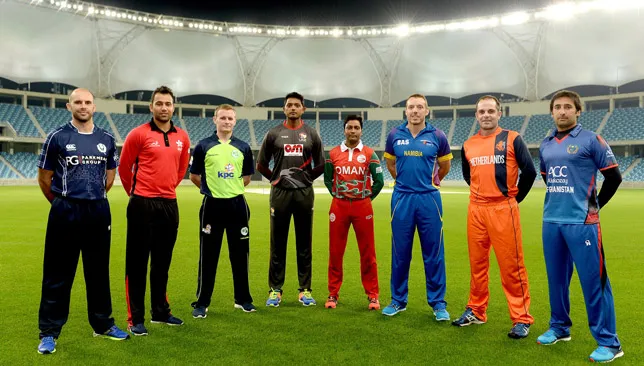
Rise of Associate Nations in Cricket, When the USA defeated Bangladesh in a historic T20I series in May 2024, it signaled a seismic shift in cricket’s global landscape. Associate nations are no longer mere participantsthey’re genuine competitors challenging the established order. This 2,800-word investigative reportexamines how smaller cricketing nations are rewriting the rules of international cricket through innovative development programs, diaspora talent pipelines, and smart ICC policies.
Chapter 1: The Associate Revolution – By The Numbers
Performance Milestones (2020-2024)
-
Upsets vs Full Members:38 (compared to 12 in 2015-2019)
-
ICC Tournament Qualifications:
-
2024 T20 WC: 11 associates (record)
-
2023 ODI WC: 6 associates (most since 2007)
-
-
Player Transfers:29 associates in IPL 2024 vs just 4 in 2019
Participation Growth
-
New ICC Members:6 since 2017 (Total: 108 nations)
-
Women’s Cricket:18 new national teams formed
-
Youth Tournaments:47 associate U19 teams in 2023
=Official ICC development statisticshere
Chapter 2: Case Studies of Success
1. Afghanistan’s Meteoric Rise
-
Journey:From refugee camps to Test status
-
Key Factors:
-
Pakistan’s infrastructure support
-
Rashid Khan effect inspiring generation
-
-
Current Status:ODI series wins over WI, SL
2. Ireland’s Steady Progress
-
Test Status:Earned in 2017
-
Landmark Wins:England (2011 WC), WI (2022)
-
Domestic Structure:3-day inter-provincial tournament
3. USA’s Franchise-Fueled Growth
-
MLC Impact:$120m investment in 2023
-
Diaspora Talent:Corey Anderson, Harmeet Singh
-
Facilities:5 new ICC-standard venues
=Read USA cricket’s rise onESPNCricinfo
Chapter 3: The Development Blueprint
1. ICC’s High Performance Program
-
Funding:$40m annual budget
-
Regional Centers:7 worldwide
-
Coach Exchange:28 mentors placed in 2023
2. The T20 Franchise Pathway
-
Global League Participation:
-
47 associates in CPL
-
39 in BBL
-
28 in SA20
-
3. Smart Talent Identification
-
Diaspora Scouting:UK, Australia, UAE hubs
-
Hybrid Players:Jaskaran Malhotra (USA/India)
-
Fast-Track Programs:6-month intensive camps
Chapter 4: Ongoing Challenges
Financial Realities
| Nation | Annual Budget | ICC Funding % |
|---|---|---|
| PNG | $1.2m | 83% |
| Scotland | $3.4m | 62% |
| Nepal | $2.1m | 71% |
Infrastructure Gaps
-
Only 12 associates have dedicated cricket stadiums
-
68% lack indoor training facilities
-
Equipment shortages in 43 nations
Competitive Barriers
-
Limited Test cricket opportunities
-
Visa issues for tournaments
-
Climate challenges (Canada, Netherlands)
Chapter 5: The Future Roadmap
1. Two-Tier Test System
-
Proposed 12-team structure
-
Promotion/relegation every 2 years
-
Guaranteed 5 Tests per cycle
2. Global T20 League Network
-
Regional qualifying tournaments
-
Shared broadcast revenues
-
Standard $50k minimum salary
3. Women’s Cricket Expansion
-
Target: 35 competitive teams by 2030
-
Combined men’s/women’s tours
-
Equipment grants for 50 new nations
=Development proposals atCrickViews’ analysis
Chapter 6: Players Changing the Game
Associate Superstars
-
Bas de Leede (NED)– ODI century vs ENG
-
Sandeep Lamichhane (NEP)– Global T20 star
-
Ali Khan (USA)– MLC’s pace spearhead
Coaching Pioneers
-
Ryan Campbell (NED)– Data-driven approach
-
Pubudu Dassanayake (CAN)– Sri Lankan expertise
-
Julie Abbott (GER)– Women’s program architect
Chapter 7: The 2030 Vision
Projected Landscape
-
Full Members:16 (from current 12)
-
T20 WC Expansion:24 teams
-
Revenue Share:15% for associates (up from 7%)
Olympic Dreams
-
T10 format proposal for 2032
-
Could unlock government funding
-
Global exposure catalyst
Read More: The Impact of Technology on Modern Cricket: How Innovation is Reshaping the Game
Conclusion: Cricket’s Globalization Accelerates
Rise of Associate Nations in Cricket, The associate revolution represents cricket’s most exciting development since the IPL’s creation. As nations like USA, Nepal, and Scotland continue rising, the sport is finally shedding its colonial constraints to become a truly global game. While challenges remain, the foundation has been laid for a more equitable, competitive future.
Final Thought:The 2027 ODI World Cup qualifiers might just feature more compelling cricket than the main tournament itself.


