

📋 Table of Contents
The IPL 2026 Fastest Fifty will represent the competition’s purest expression of explosive batting aggression. It will showcase the innings in which a batter reaches the fifty-run milestone in the fewest possible deliveries, combining relentless boundary hitting, six-clearing power, and the specific match urgency that pushes scoring rates to extraordinary levels. In many cases, such performances redefine the upper limit of T20 batting speed.
Even though high strike rates and aggressive batting have become routine in modern IPL cricket, the fastest fifty in any season still stands out as a genuinely exceptional performance. Only the finest power hitters operating at their absolute peak can produce these rare scoring explosions. Therefore, this comprehensive guide to the IPL fastest fifty explores the tournament’s historical record holders, analyses the conditions that produce minimum-ball half-centuries, identifies the players most likely to challenge the record in IPL 2026, and explains the ball-by-ball anatomy of how a record-challenging fastest fifty unfolds during live match action.
IPL Fastest Fifty Records – The All-Time Champions of Scoring Speed
The history of IPL fastest fifties clearly illustrates the rapid evolution of T20 batting. In the tournament’s early seasons, batters considered half-centuries scored within 12 to 16 balls extraordinary achievements. However, as modern T20 batting techniques evolved and power-hitting skills improved, players occasionally began producing sub-10-ball fifty performances that pushed scoring speed to the absolute limits of the format.
Every record-breaking fastest fifty in IPL history has delivered a moment of individual batting dominance that remains etched in the competition’s memory. These performances demonstrate what extraordinary power hitting can achieve when every factor aligns perfectly during a match.
Meanwhile, some of the most respected fastest fifties in IPL history have occurred during genuinely competitive match situations. For example, when a batter produces a rapid half-century while chasing a difficult target during the final overs, each boundary contributes both to the personal milestone and to the team’s chance of victory. Therefore, these performances often carry greater cricketing significance than those achieved during one-sided matches already decided.
The Match Conditions That Produce Fastest Fifty Contenders
To understand when an IPL 2026 fastest fifty record might be challenged, it is important to identify the match conditions that allow extreme scoring rates. Several variables interact to create these opportunities, including match pressure, bowling quality, pitch behaviour, venue dimensions, and individual batting form.
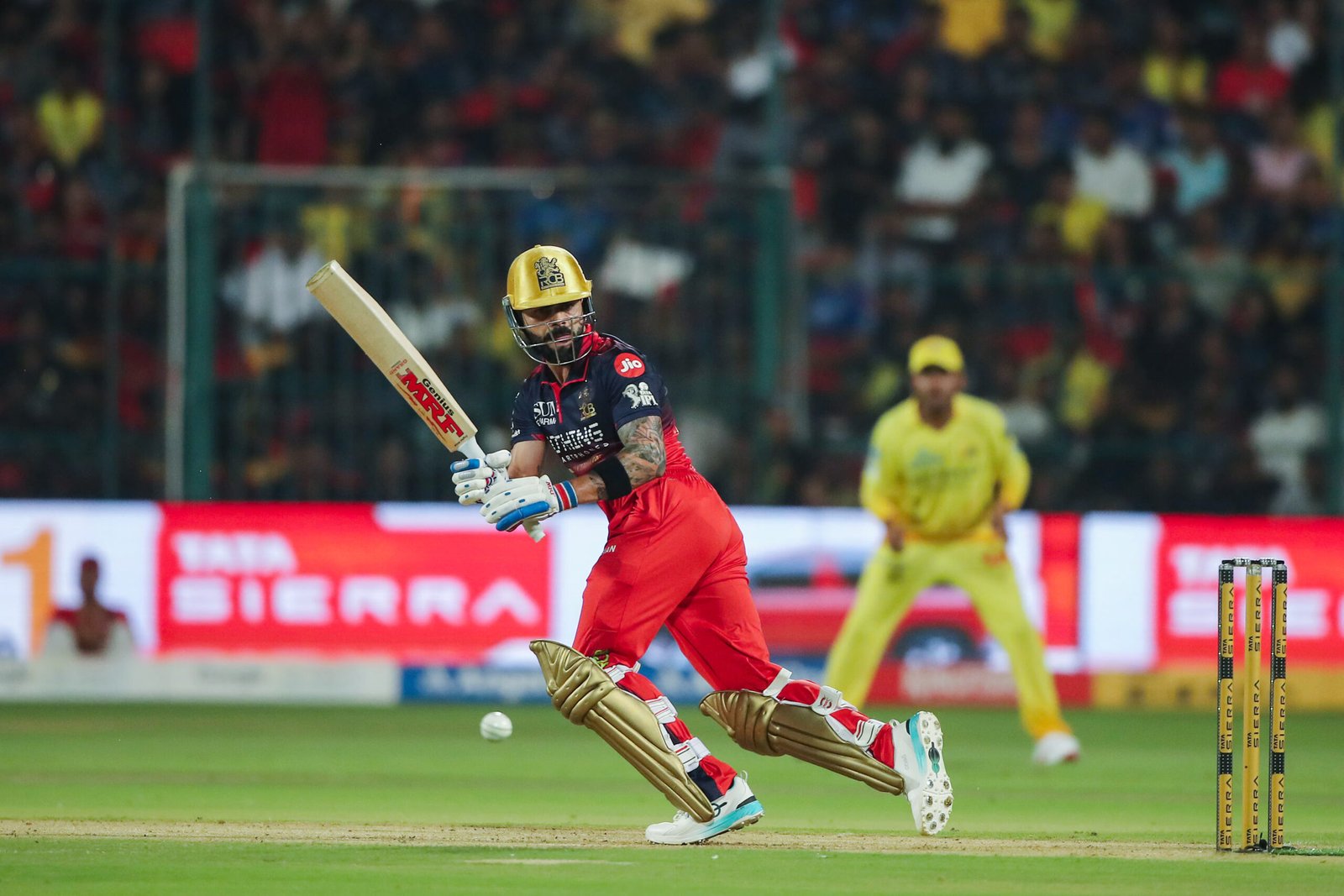
Additionally, venue characteristics play a significant role. Grounds such as the Chinnaswamy Stadium in Bengaluru or the Wankhede Stadium in Mumbai feature shorter boundaries and fast outfields that reward aggressive stroke-play. At these venues, well-timed shots frequently travel beyond the boundary for six rather than stopping inside the rope for four. Therefore, many of the fastest fifties in IPL history have occurred at the tournament’s most batting-friendly stadiums.
IPL 2026 Fastest Fifty Candidates – The Speed Merchants
The most likely candidates to challenge the IPL 2026 fastest fifty record are the tournament’s most explosive power hitters. These players regularly clear the boundary against both loose deliveries and high-quality bowling. Their natural striking ability allows them to maintain the extreme boundary frequency required to score fifty runs in fewer than fifteen balls.
Meanwhile, Travis Head offers another unique fastest-fifty profile. His explosive powerplay batting frequently produces extremely high strike rates against new-ball bowling. Unlike many fastest-fifty contenders who accelerate during the death overs, Head often begins attacking from the very first delivery of an innings. His track record of sub-20-ball half-centuries across various T20 leagues confirms that, when his timing and confidence peak during the powerplay, the fastest fifty threshold quickly becomes achievable.
Ball-by-Ball Anatomy of a Fastest Fifty – What It Actually Looks Like
Examining a realistic ball-by-ball sequence helps illustrate how these remarkable scoring bursts unfold during live match action. Consider a hypothetical but realistic 13-ball fastest fifty innings.
Ball 1 – six over long-on from a full delivery.
Ball 2 – four driven through covers from a good-length ball.
Ball 3 – six launched over mid-wicket from a length delivery outside off stump.
Ball 4 – dot ball defended forward.
Ball 5 – six upper-cut over third man.
Ball 6 – four slapped through point.
Ball 7 – six lofted over long-off from another full delivery.
Ball 8 – dot ball as the batter bottom-edges the shot into the ground.
Ball 9 – four clipped through mid-wicket.
Ball 10 – six reverse-swept over third man.
Ball 11 – dot ball where the edge narrowly misses the fielders.
Ball 12 – four lifted over long-on but inside the rope.
Ball 13 – six struck to complete the fifty.
In this scenario, the batter scores 62 runs from just 13 deliveries, including seven sixes and four fours. Consequently, the player completes the fastest fifty in only 13 balls.
Read More: IPL 2026 Most Sixes – Six-Hitting Records, Top Power Hitters and Complete Six Tally
Conclusion
Ultimately, the IPL 2026 fastest fifty will become one of the tournament’s most celebrated individual batting moments. It will represent the purest form of T20 power-hitting excellence, where relentless boundary frequency, match urgency, and peak individual performance combine to produce a half-century scored at astonishing speed.
CrickViews will follow every potential fastest-fifty performance throughout IPL 2026. Our coverage will include complete ball-by-ball analysis, historical comparisons with previous record-breaking innings, and expert commentary that transforms admiration for these extreme scoring bursts into deeper analytical understanding of T20 cricket’s fastest batting achievements.