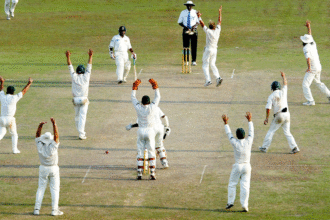
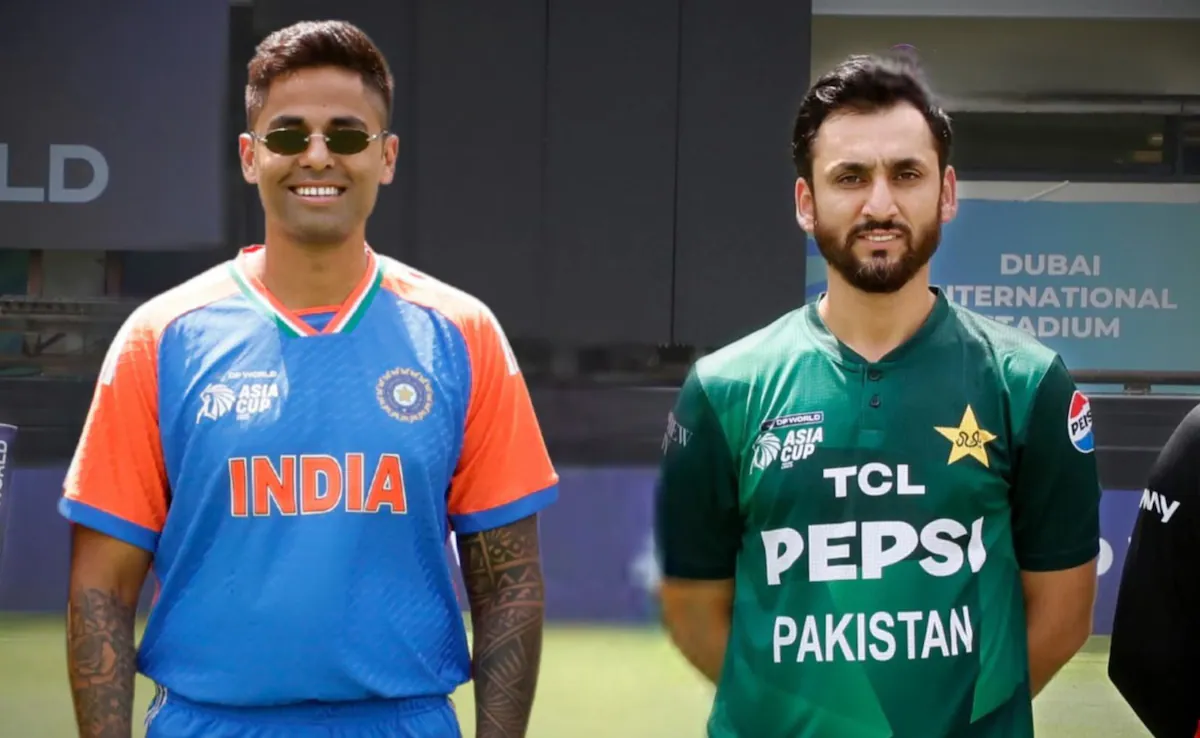
India vs Pakistan T20 World Cup 2026 is never just another match, is it? Its more like crickets version of a blockbuster movie, with politics, pressure, and passion all rolled into one. For the ICC T20 World Cup 2026, the muchanticipated IndiaPakistan showdown in Colombo on February 15 has been under a cloud of doubt due to Pakistans boycott stance.
India vs Pakistan T20 World Cup match is widely regarded as the biggest rivalry in world cricket and the marquee clash of the ICC T20 World Cup 2026.
Now, things appear to be shifting. PCB chief Mohsin Naqvi is preparing to brief Pakistan Prime Minister Shehbaz Sharif and is expected to request a withdrawal of the boycott call. So, is this mega contest finally back on track?
The Colombo Showdown: Whats At Stake?
The India vs Pakistan fixture is scheduled for February 15 in Colombo, Sri Lanka. On paper, its just a group game. In reality, its the heartbeat of the entire tournament.
For broadcasters, its the biggest ratings magnet, its the centerpiece of their global event. For fans, its that one date they circle in red on the calendar. Missing this clash would be like having a World Cup without a final.
Why Pakistan Considered A Boycott In The First Place
So, how did we even reach a stage where Pakistans participation against India was in doubt?
The Pakistan Cricket Board (PCB) had earlier indicated a boycott of matches in India, citing security concerns and broader political tensions. There were also undercurrents of dissatisfaction with the ICC over issues such as revenue sharing, bilateral cricket, and protocols around player interactions.
In short, it wasnt a simple cricketing call. It was a cocktail of security, politics, and financial muscle.
Mohsin Naqvis Diplomatic Push Behind The Scenes
India vs Pakistan T20 World Cup 2026, PCB chief Mohsin Naqvi has been at the center of this storm. Rather than digging in, he has taken the diplomatic route, engaging with multiple boards and ICC officials to navigate the crisis.
According to reports, Naqvi will brief PM Shehbaz Sharif on his recent communications with:
-
Bangladesh Cricket Board (BCB)
-
Sri Lanka Cricket (SLC)
-
Emirates Cricket Board (ECB)
-
International Cricket Council (ICC)
His mission? To present a complete picture of international sentiment and convince the Prime Minister that playing India in the World Cup is in Pakistans best interest.
Support From Bangladesh, Sri Lanka, And Emirates
Interestingly, Pakistan is not alone in this discussion. Bangladesh, Sri Lanka, and the Emirates cricket boards have all stepped in, urging Pakistan to reconsider its boycott stance.
BCB President Amin ul Islam even travelled to Lahore for talks with Naqvi and Imran Khawaja, the ICC vice-chairman and independent director. During those discussions, Islam reportedly:
-
Appreciated Pakistans long-standing support for Bangladesh cricket.
-
Requested Naqvi to end the boycott and allow the team to play in the World Cup as scheduled.
Similarly, Sri Lanka and Emirates boards have also appealed to Pakistan to review its position, stressing the importance of maintaining the integrity and continuity of the tournament.
The ICC Angle: Imran Khawajas Crucial Role
India vs Pakistan T20 World Cup 2026, Imran Khawaja has quietly become one of the most important figures in this saga. As ICC vice-chairman and an independent director, hes effectively the bridge between the global governing body and member boards like the PCB.
During his discussions with Naqvi, several issues were raised:
-
Pakistans concerns about security and neutrality.
-
The broader question of revenue distribution.
-
The future of bilateral relations between India and Pakistan under the ICC framework.
-
Implementation of protocols like the handshake tradition.
While full details havent been made public, its clear the ICC is keen to avoid a World Cup overshadowed by boycotts and withdrawals.
The Locked Trophy Drama At ACC Headquarters
You know things are tense when even a trophy becomes part of the drama.
The tournament trophy is currently locked away at the Asian Cricket Council (ACC) headquarters in Dubai. Mohsin Naqvi, who also heads the ACC, has taken a firm stance: he insists that only he will conduct the trophy presentation ceremony, and that too in full media glare.
On the surface, it might sound like a minor protocol issue. But symbolically, its about control, recognition, and visibility. In high-level cricket politics, who hands over the trophy can sometimes say as much as who wins it.
Bangladeshs Exit And Scotlands Surprise Entry
The ripple effect of this whole saga has already hit one team hard: Bangladesh.
Bangladesh were ousted from the World Cup after they refused to play in India due to security concerns. Their withdrawal opened the door for Scotland, who have been drafted in as replacements.
That decision has:
-
Reduced Asian representation in the tournament.
-
Altered the competitive balance of certain groups.
-
Sent a strong message about how seriously security concerns are treat in modern cricket.
In a sense, Bangladeshs fate is now a cautionary tale. Pakistan will be acutely aware of the costssporting, financial, and reputationalof sticking with a boycott.
PCBs Reported Demands To Reverse The Boycott
There have been unconfirmed media reports that the PCB had laid down three key demands for reversing its boycott position. While not officially acknowledged, these demands paint a clear picture of Pakistans priorities.
The reported demands include:
-
Increased share in ICC revenue: Pakistan believes its fan base, viewership impact, and historic standing in world cricket warrant a larger slice of the financial pie.
-
Restoration of bilateral cricket with India: Regular IndiaPakistan series used to be among the most watched events in world cricket. Reviving them would be a massive financial and emotional win.
-
Enforcement of the handshake protocol: The handshake protocol symbolizes sportsmanship and respect. Ensuring it is consistently enforced helps send a strong message that, despite political tensions, the spirit of the game stands above all.
Even if all three demands are not met immediately, the very act of tabling them signals Pakistans intent to negotiate from a position of perceive undervaluation.
Why PM Shehbaz Sharifs Decision Is The Final Word
India vs Pakistan T20 World Cup 2026, At the end of the day, the PCB can recommend, lobby, and negotiatebut it cannot overrule the government.
The final authority rests with Prime Minister Shehbaz Sharif. Naqvi is expected to present:
-
The appeals made by Sri Lanka, Bangladesh, and Emirates.
-
The ICCs stance and assurances.
-
The financial and reputational implications of staying out.
-
The potential political fallout either way.
Once Sharif decides, the PCB has made it clear it will abide by his call. That means the fate of the India vs Pakistan clash, and by extension a huge chunk of the World Cups global appeal, is effectively in the Prime Ministers hands.
What An India vs Pakistan Match Means To The World Cup
Lets be honest: an ICC T20 World Cup without India vs Pakistan feels incomplete. This fixture is:
-
A global ratings phenomenon that draws neutral fans worldwide.
-
A pressure cooker that tests players like no other game.
-
A rare stage where political narratives get temporarily overshadow by cricketing skills.
For the ICC, broadcasters, sponsors, and millions of fans, this match is not just another group stage clashits the emotional centerpiece of the tournament. Losing it would drain a lot of energy and excitement out of the event.
So, Will The Match Actually Happen?
All signs now point towards a positive outcome. With:
-
Mohsin Naqvi moving to formally request the Prime Minister to withdraw the boycott.
-
Multiple boards urging Pakistan to reconsider.
-
The ICC working behind the scenes to address key concerns.
&the momentum seems to be shifting towards Pakistan playing India as scheduled in Colombo.
Still, until PM Shehbaz Sharif gives his official nod, a small element of uncertainty will linger. In cricket terms, its like needing 2 runs off 1 ballmost times you back the batting side, but you still hold your breath until its done.
Similar Articles:T20 World Cup 2026 Full Schedule: Dates, Venues, Fixtures & Key Matches
Conclusion
The India vs Pakistan T20 World Cup 2026 contest has become a symbol of how complicated modern international cricket really is. Its no longer just bat versus ball; its also boardroom negotiations, geopolitical undercurrents, and commercial stakes.
Mohsin Naqvis diplomatic outreach, the involvement of Bangladesh, Sri Lanka, and Emirates, and the ICCs quiet but crucial role all underscore one truth: the world wants this match to happen. Now, with the ball in PM Shehbaz Sharifs court, Pakistan stands at a crossroads between making a political statement and embracing a cricketing spectacle.
If the boycott is withdrawn and Pakistan takes the field against India in Colombo, it will not just be the resumption of a rivalry. It will be a reminder that, despite all the noise and tension, cricket still has the unique power to pull nations onto the same pitch, if not always onto the same page.