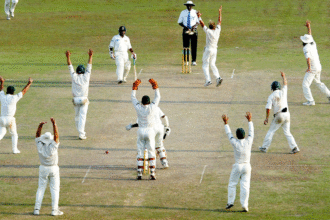
India vs Pakistan T20 World Cup 2026 isnt just another group game its the kind of clash that can redefine a campaign for both teams. The rivalry is loaded with history, emotion, and high-stakes cricket, and this Colombo fixture has all the ingredients of a classic. With both sides eyeing a deep run in the tournament, this match could shape their confidence, tactics, and momentum for the rest of the World Cup. This India vs Pakistan match preview highlights why this showdown is one of the most anticipated fixtures of the tournament.
Match Details: Date, Venue, And Tournament Context
This blockbuster is scheduled for 15 February 2026 at the R. Premadasa Stadium in Colombo, one of Sri Lankas premier cricket venues. The match is part of the ICC Mens T20 World Cup 2026, a tournament co-hosted by India and Sri Lanka across eight venues. Colombo has been positioned as a key hub, especially for Pakistans group fixtures, due to the broader hosting and security arrangements agreed between the ICC and PCB.
Why Pakistan Are Based In Sri Lanka
India vs Pakistan T20 World Cup 2026, One of the more interesting subplots of this World Cup is Pakistan playing their games in Sri Lanka instead of India. This arrangement follows diplomatic discussions designed to ensure Pakistans full participation while respecting political sensitivities and logistical constraints. As a result, Colombo becomes their home away from home during the tournament, adding an extra twist to this already high-voltage rivalry.
India vs Pakistan: T20 World Cup Rivalry At A Glance
When you look at the numbers, India have had the upper hand over Pakistan in T20 World Cups since the inaugural edition in 2007. Across their meetings at this event, India have won the majority of games, leading the head-to-head with six victories out of eight encounters, while Pakistan have claimed two wins, including that unforgettable 10wicket hammering in 2021. This statistical tilt puts India slightly ahead on paper, but it never truly settles nerves before an IndiaPakistan clash.
Key Rivalry Trends You Should Know
Several patterns stand out when you break down this rivalry on the World Cup stage. India have consistently found ways to win tight games, with many matches going down to the final over or being decided by small margins. Their batting, often driven by big-match players who thrive under pressure, has repeatedly tilted contests in their favour. On the flip side, whenever Pakistans fast bowlers have found assistance from conditions, their pace attacks have delivered some of the most dominant performances in the rivalry. Together, these trends underline one simple truth: India might start as favourites, but all it takes is one special innings or a fiery spell to flip the script.
Conditions At R. Premadasa: What The Pitch And Weather Might Do
India vs Pakistan T20 World Cup 2026, R. Premadasa Stadium is classic subcontinental territory: slower pitches, grip for spinners, and sticky evenings that test stamina and concentration. Under lights, the ball can sometimes skid on a bit quicker, but the core personality of the surface stays low and slow, not a typical seamers paradise. Batting here is rarely just about power; its about timing, placement, and the ability to read the pace of the wicket.
How Colombo Conditions Could Shape The Game
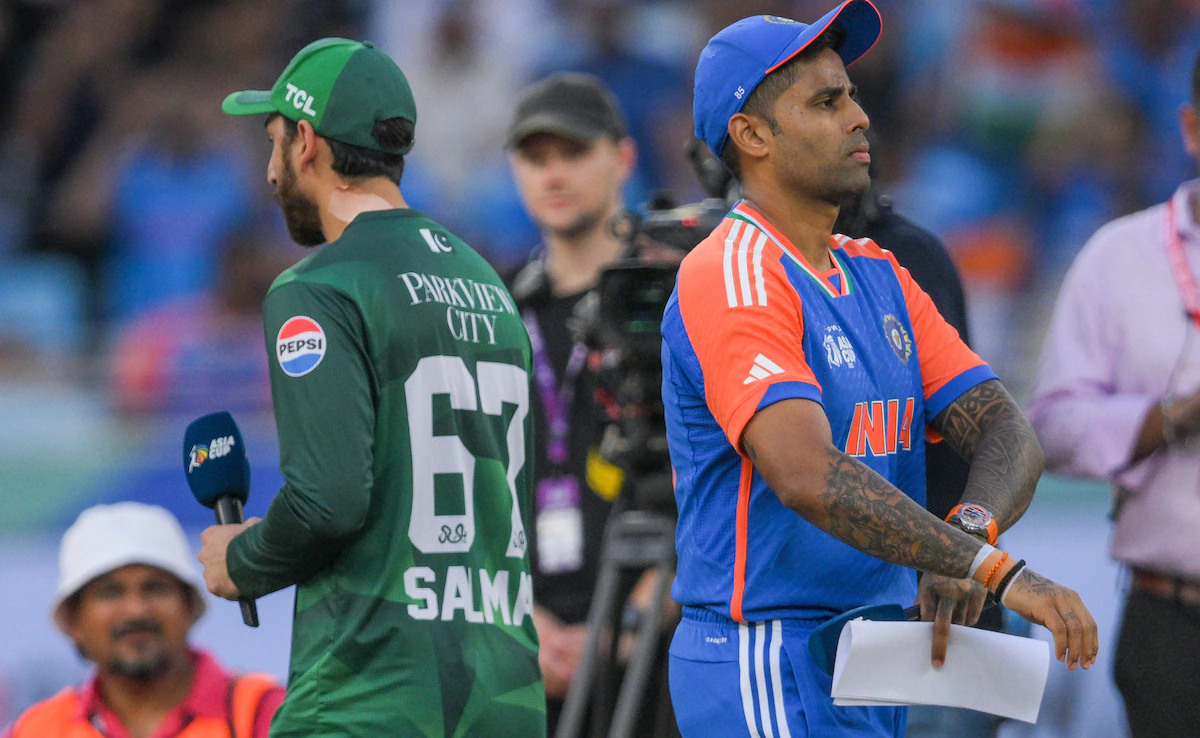
You can expect a dry surface with moderate turn, especially as the game progresses, which means both fingerspinners and wristspinners come into play in a big way. The outfield usually stays quick, so well-placed shots and smart rotation of strike are heavily rewarded. The big wildcard is dew: humid Colombo evenings can make the ball slippery, making it harder for bowlers to grip and turning the second innings into a challenge for spinners. Thats why the toss becomes a major tactical call do you bat first on a fresh but slightly tacky surface, or chase under lights with potential dew but tougher conditions for your bowlers? Its no coincidence that many night matches here have seen captains prefer chasing, yet a strong total in an IndiaPakistan pressure cooker can be psychologically suffocating.
Indias Likely Approach: Balance, Aggression, And Spin Options
India vs Pakistan T20 World Cup 2026, India arrive at this World Cup as one of the most balanced T20 units, blending experienced match-winners with flexible allrounders and a multi-dimensional bowling attack. In recent years, their T20 model has tilted towards aggressive starts at the top, a stabilising presence in the middle, and finishers who can clear the ropes in the closing overs. Add to that a mix of pace and spin suited to Asian conditions, and you have a side built for games like this.
Indias Batting Blueprint For Colombo
In a high-pressure game at Premadasa, Indias batting plan is likely to revolve around a powerplay of controlled aggression, where they minimise dot balls and target any weak link in Pakistans newball attack. One top-order batter will probably take on the anchor role, batting deep into the 15th17th over to keep the innings stable. If they reach the last four overs with wickets in hand, India have the finishers to unleash a surge and turn a good score into a daunting one, especially on a surface where starting an innings isnt always easy.
Indias Bowling And Fielding Tactics
On the bowling front, India now have clearer roles: specialists at the death, spinners who can bowl both in the powerplay and middle overs, and seamers who can hit the deck hard. In Colombo, they are likely to stack at least two frontline spinners, including a wristspinner to attack during the middle overs. A leftarm seamer or a hitthedeck quick provides variation against Pakistans righthanders, while death bowlers will need a full range of yorkers and deceptive slower balls to counter the finishing power in Pakistans lower order. Indias traditionally sharp fielding cutting off boundaries, saving twos, and holding their nerve under the high ball could be the hidden edge on a big ground where every run saved counts.
Pakistans Strengths: Pace Firepower And Big-Game Temperament
Pakistans T20 identity is built around worldclass fast bowling, mercurial batting, and an uncanny ability to rise from nowhere in big events. Even in tournaments where consistency has eluded them, theyve produced iconic performances that 10wicket win over India in 2021 remains a prime example of what happens when their top order and quicks click together. Heading into Colombo, that reputation for unpredictability makes them dangerous regardless of form charts.
How Pakistan Might Use Their Bowlers
India vs Pakistan T20 World Cup 2026, Pakistans pace attack has long been their trump card, combining high speed with swing, seam movement, and clever variations at the death. On a surface that may not be blisteringly quick, their quicks will likely seek early breakthroughs with attacking lengths and movement with the new ball. As the pitch grips, expect crossseam deliveries, cutters, and backofthehand slower balls to come into play, especially to disrupt Indias middle order and break partnerships. Their spinners will also be central, tasked with tying down batters in the middle overs through tight lines and subtle changes of pace, forcing risk from set batters who feel the scoreboard pressure.
Pakistans Batting Game Plan Under Pressure
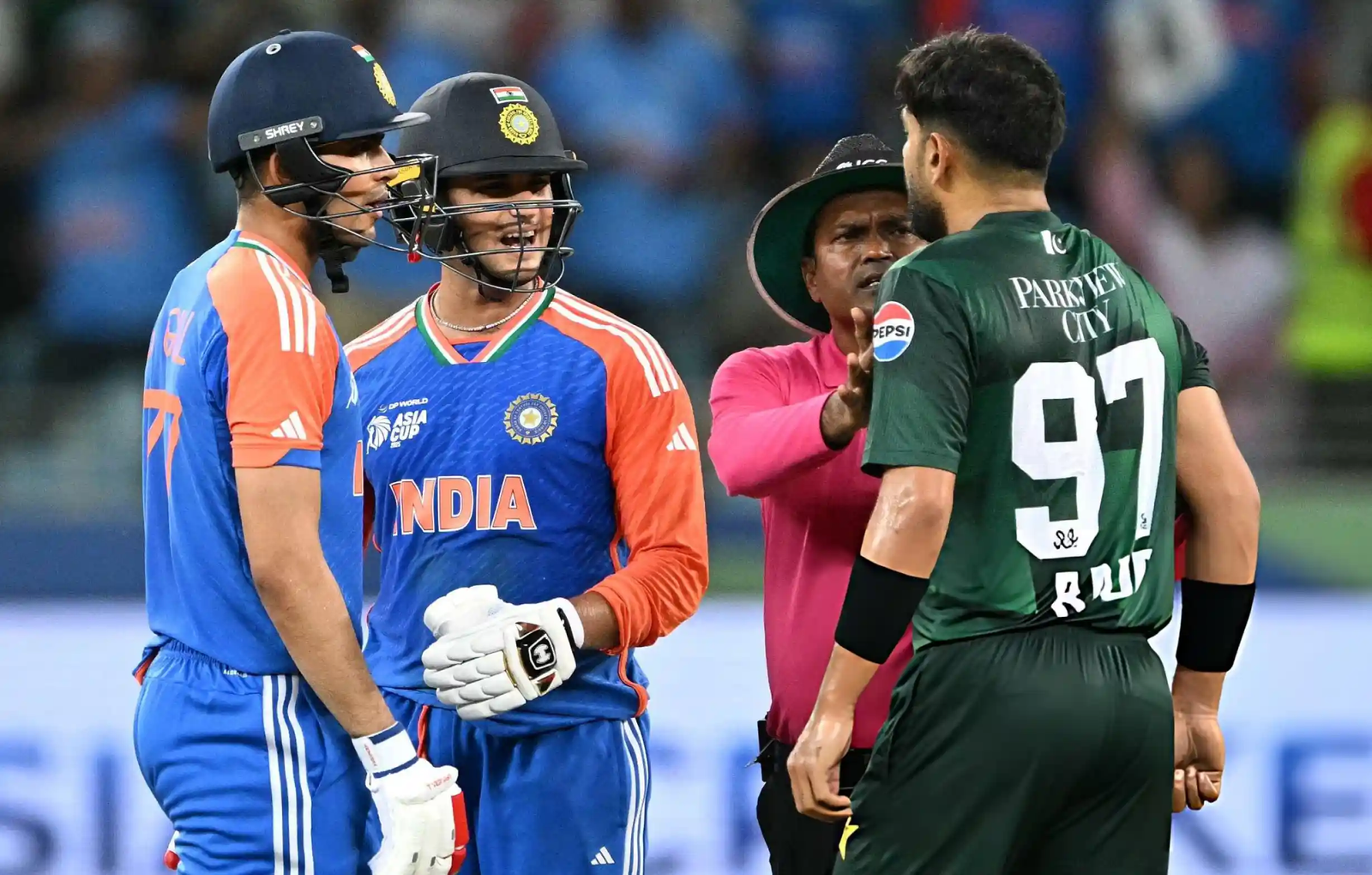
With the bat, Pakistan can swing between steel and fragility, but in big games their top order often sets the tone. Against Indias newball attack, they may opt for a more cautious start to avoid the early collapses that have hurt them in the past. Anchors who play spin well and can bat deep into the innings are vital, especially if paired with one or two explosive finishers capable of a 30 off 15 finish. If Pakistan manage to keep wickets in hand till around the 14th over, their natural explosiveness and comfort in Asian conditions can turn what looked like a par total into something far more challenging.
Key Tactical Battles: Where The Game Could Be Won Or Lost
This match wont be settle by rankings or predictions; it will be decide by a series of minibattles over 40 overs. Up front, Indias openers will be test by Pakistans swinging pace with the new ball, while Pakistans top order must deal with Indias seamers searching for movement and hard lengths. In the middle overs, Indian spinners will try to put the squeeze on Pakistans batters, who like to rotate but can be forced into errors by clusters of dot balls. Pakistans tweakers, in turn, will challenge Indias aggressive middle order, who often look to dominate spin to control the game.
Death Overs, Nerves, And Fine Margins
The death overs are likely to feel like a different match within the match. For India, the big question is whether their death bowlers can consistently hit yorkers and mix in slower balls to blunt Pakistans finishers. For Pakistan, its all about holding their nerve while Indias powerhitters target the last four overs. Add in fielding under lights, judgment under high catches, sharp running between the wickets, and pressure under DRS calls, and you get a contest where a runout, a dropped catch, or one brave tactical decision can swing the balance for good.
Tournament Stakes: More Than Just Two Points
India vs Pakistan T20 World Cup 2026, This T20 World Cup runs in a compact window from 7 February to 8 March, with India and Sri Lanka sharing hosting duties and matches spread across major cricket centres in both countries. In such a tight schedule, group-stage points become precious, and net run rate often decides who sneaks into the Super 8s. That means this IndiaPakistan clash isnt only about bragging rights; it has direct implications for progression and momentum.
Factors That Could Decide The Result
Several specific factors are likely to shape the outcome in Colombo. The toss and dew will be watch closely if dew is heavy, chasing becomes attractive because gripping the ball for spinners and even pacers at the death gets tricky. A strong powerplay think 50 plus with no more than one wicket down can set up a platform thats gold on this kind of surface, whereas losing two or three early can drag the rate back to a runaball and expose the middle order. The team whose spinners control overs 7 to 15, by limiting boundaries and taking one or two key wickets, will probably dictate the tempo of the game. Above everything, the side that handles nerves better either in a tight chase or while defending a modest total usually writes the latest memorable chapter in this rivalry.
Similar Articles: Afghanistan vs South Africa T20 World Cup 2026: Double Super Over Thriller Ends in Heartbreak
Conclusion
India vs Pakistan T20 World Cup 2026, India edge ahead thanks to a stronger historical record against Pakistan in T20 World Cups and a more consistently balanced squad. Pakistan, though, have already shown in previous editions that one inspired performance can shred the stats, especially if their fast bowlers strike early and their top order fires in unison. Expect a contest defined by slim margins spin control in the middle, precise execution at the death, and temperament in the final three overs of either innings. Whatever the result, India vs Pakistan at the ICC Mens T20 World Cup 2026 in Colombo is set to be one of the defining fixtures of the tournament and an unmissable chapter in this storied rivalry.