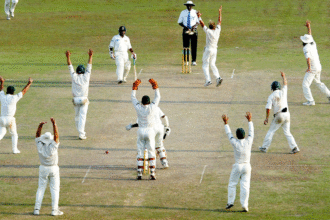
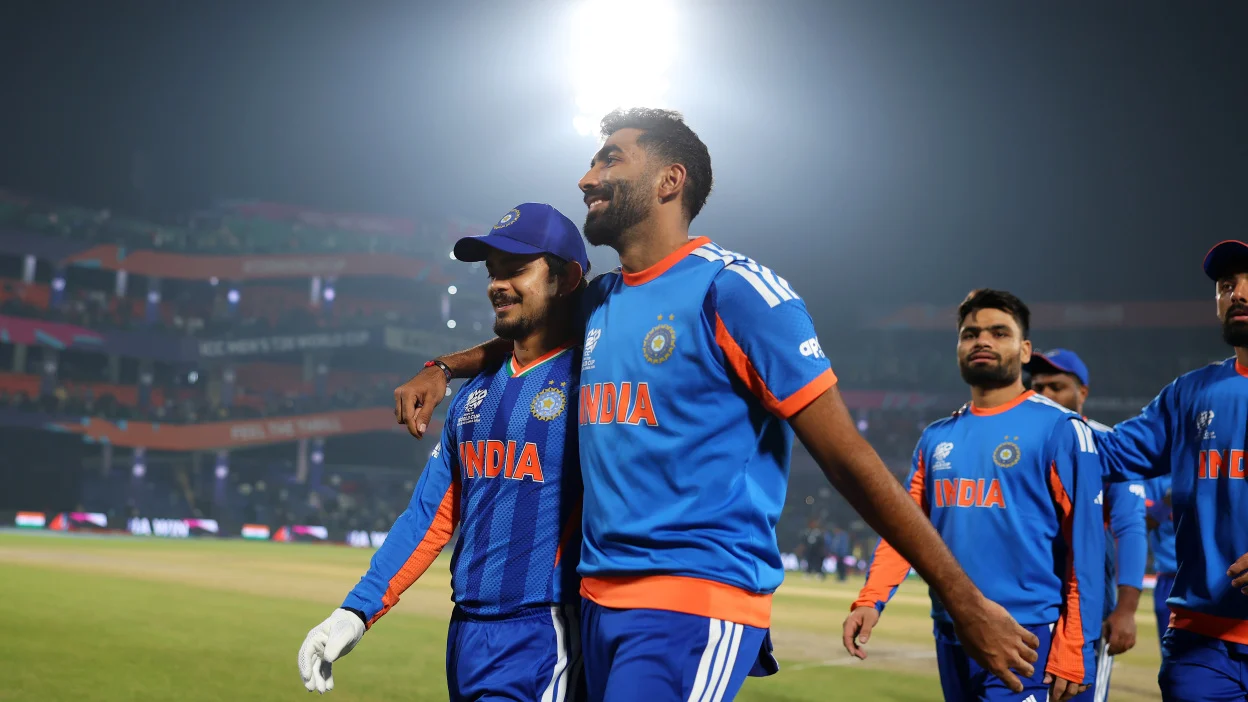
India vs Pakistan T20 World Cup 2026, India vs Pakistan in a World Cup is never just another group game its an emotional rollercoaster, a tactical battle, and a test of temperament all rolled into one. In the ICC Mens T20 World Cup 2026 Group A clash in Colombo, India didnt just win; they hammered Pakistan by 61 runs, underlining the growing gulf between the two sides on the big ICC stage.
This wasnt a lucky escape or a last-over thriller. It was a professional, ruthless, and controlled performance from India built on Ishan Kishans explosive 77, disciplined middle-overs management, and a suffocating bowling display that sent Pakistan crashing to 114 all out in 18 overs.
Match Context: More Than Just Two Points
When these two teams met in Colombo, the stakes were sky-high. Both sides knew this game could shape their path to the Super Eight, not just in terms of points, but also net run rate, confidence, and narrative.
India vs Pakistan T20 World Cup 2026, India arrived with momentum, having brushed aside USA and Namibia, looking settled and balanced in all departments. Pakistan, on the other hand, had beaten Netherlands and USA but still carried an air of inconsistency with the bat. You could almost feel that if India landed the first punch, Pakistan might struggle to recover.
On top of that sat the weight of history. India already held the edge in T20 World Cup head-to-heads and were hungry to widen that gap. For Pakistan, every India game at a World Cup feels like a chance at redemption and this time, that chance slipped further away.
Colombo Conditions and Toss: Pakistan Blink First
Pakistans Decision To Bowl
Pakistan won the toss and went with what many captains like to do in T20s bowl first under lights. The idea was clear: unleash their pace attack, grab early wickets, and force India into survival mode rather than attack mode.
But the Colombo surface had its own script. It was slow, with a bit of grip, tailor-made for batters who were willing to stay in, assess, and then attack. Stroke-making for new batters was never going to be easy, but if someone set themselves, they could cash in.
Indias Tactical Tweaks
India read the pitch smartly. They brought in Kuldeep Yadav to target Pakistans middle order on a surface where his variations would be harder to line up. With the bat, they stuck to an aggressive top-order approach, backing Ishan Kishan to take the game to Pakistan from ball one.
In other words, India trusted their structure; Pakistan trusted the toss. Only one of those bets paid off.
Indias Batting: Ishan Kishans Fearless 77 Sets The Tone
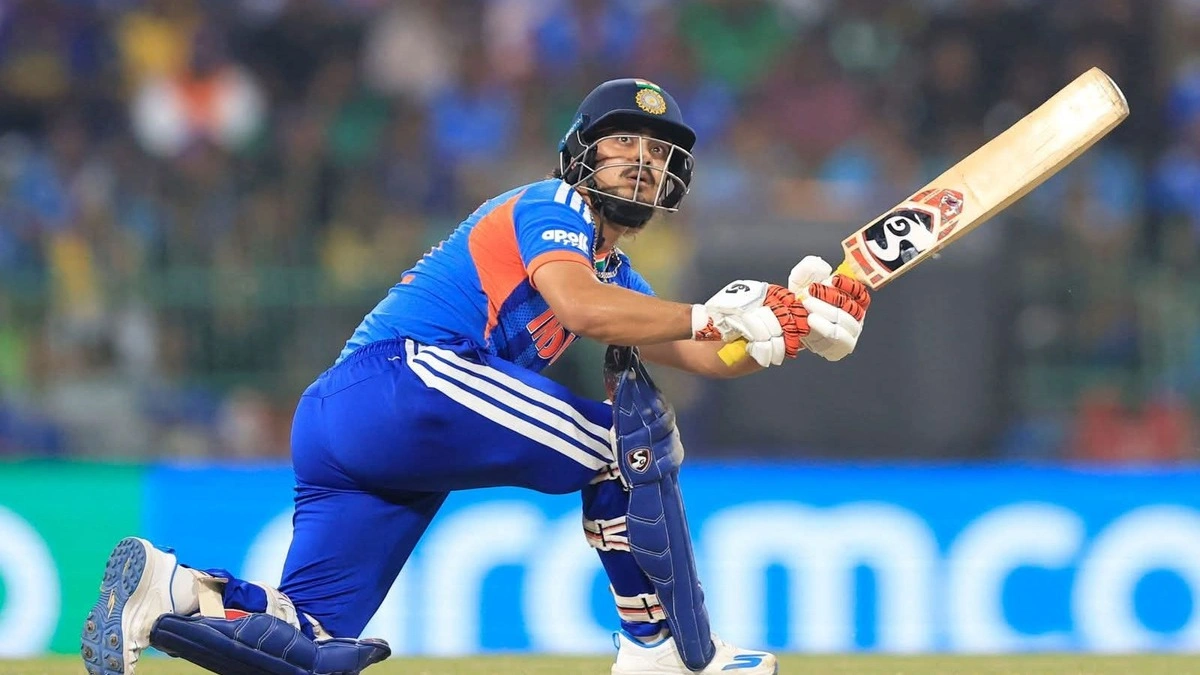
If this match is remembered years from now, it will be remembered first and foremost for Ishan Kishans statement innings. Seventy-seven runs off just 40 balls on a tricky pitch in a high-pressure IndiaPakistan game isnt just a scorecard stat its a character reveal.
Powerplay Carnage
India vs Pakistan T20 World Cup 2026, From the outset, Ishan refused to let Pakistans quicks dictate terms. He didnt slog blindly; he picked his moments. Early on, he:
-
Drove on the up when they overpitched.
-
Used his wrists to access gaps in the ring.
-
Stepped out and lofted over the infield when they tried to pull their length back.
Very quickly, Pakistans attack lengths turned into defensive lengths. Thats a nightmare scenario for any bowling group in T20 cricket.
Once Kishan broke their new-ball plans, Pakistan were always reacting rather than attacking. It felt like the entire tone of the evening shifted in those first six overs.
Middle-Overs Support And Smart Batting
While Kishan was the headline act, the supporting roles were crucial too. Indias middle order didnt blaze away, but they:
-
Rotated strike to keep the scoreboard moving.
-
Picked off the bad balls.
-
Avoided the kind of collapse that often follows a blazing start.
Pakistan had a brief window in the middle overs where they dragged things back with a couple of wickets and some tighter lines. But Indias lower middle order did exactly what you want in those conditions they nudged, nurdled, and then found a few boundaries late on to finish at 175 for 7.
On that surface, with that pressure, 175 looked not just competitive it looked above par.
Why 175 Was A Winning Total
In isolation, 175 is a good, but not outrageous T20 score. In context, it was gold.
-
The pitch was slow and offering grip.
-
New batters took time to settle.
-
Boundary hitting wasnt straightforward, especially against spin.
-
The pressure of chasing 176 against India in a World Cup only added mental weight.
India had done two things perfectly: they maximised their Powerplay and they ensured they didnt waste that start by stalling completely in the middle. That balance between aggression and control is exactly what modern T20 batting demands.
Pakistans Chase: Nervy Start, No Anchor, No Comeback
Chasing 176, Pakistan needed two non-negotiables: a solid Powerplay and at least one big, anchoring innings from the top order. They got neither.
Early Pressure From Indias Bowlers
Indias new-ball bowlers came out with clarity. They werent obsessed with swing alone; they focused on:
-
Hitting a hard length.
-
Using change-ups smartly.
-
Attacking the stumps.
Crucially, they didnt leak freebies. Dot balls piled up, and you could see the tension rising in Pakistans top order. Wickets at regular intervals meant Pakistan never built a proper platform.
With every dismissal, the required rate nudged up. As that rate climbed past control territory, Pakistans batters were forced into higher-risk shots often against the turn, into the larger pockets of the ground, or against bowlers they hadnt yet lined up.
The Collapse To 114 All Out
India vs Pakistan T20 World Cup 2026, Once the innings slipped into panic mode, it was a matter of when, not if. Pakistan were bowled out for 114 in 18 overs, giving India a massive 61-run victory their biggest win by runs over Pakistan in T20 internationals.
There was no match-defining partnership, no innings of substance that threatened to turn the tide. Pakistans batting card looked like a series of false starts and hurried strokes, a classic example of what happens when a chase is played from behind the game from ball one.
Indian Bowling: Tactical Masterclass With Pace And Spin
If Indias batting set the platform, their bowling and field placements finished the job with brutal efficiency.
Shared Wickets, Shared Responsibility
This wasnt a one-man show with the ball. Indias seamers and spinners combined beautifully:
-
Seamers used slower balls, cutters, and cross-seam deliveries brilliantly on the tacky surface.
-
Spinners bowled wicket-to-wicket, using the grip and bounce to keep Pakistans batters guessing.
-
The lines were tight, the lengths disciplined, and the fields were placed to squeeze singles and invite risky big shots.
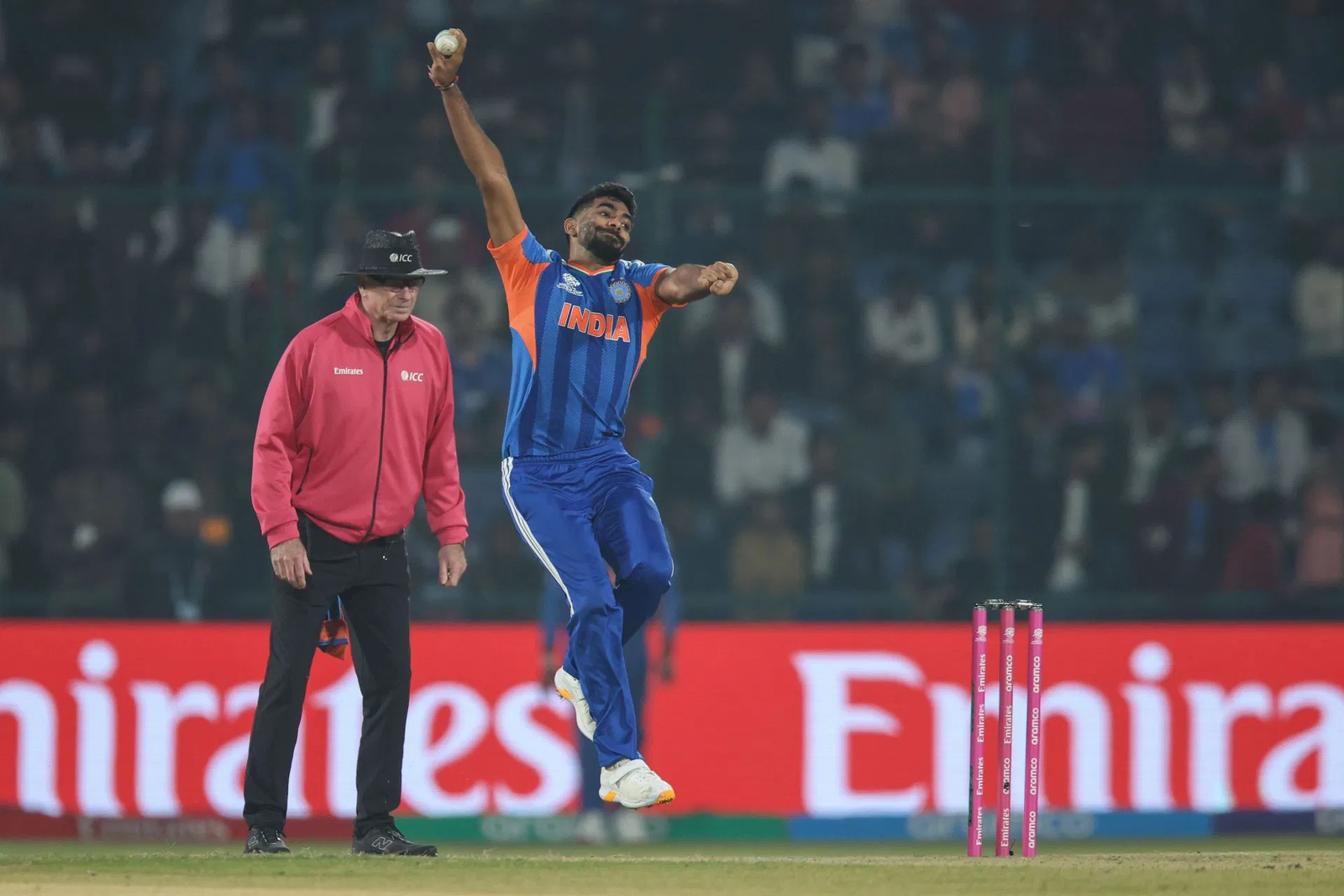
Hardik Pandya applied the finishing touch, cleaning up Usman Tariq to seal the result and underline Indias total control from start to finish. That final wicket was symbolic an all-rounder delivering the final blow in a match India dominated in every department.
On-Field Leadership And Bowling Changes
Indias leadership was sharp. Bowlers were rotated in short, effective bursts so Pakistan rarely faced the same style of bowling long enough to settle. The plan mirrored Indias modern big-tournament blueprint:
-
Be disciplined early.
-
Build pressure through dot balls and smart fields.
-
Attack for wickets once the asking rate spikes.
It was the same template that had famously worked in the 2024 T20 World Cup in New York, when India defended just 119 against Pakistan with Jasprit Bumrah and company choking the chase. Different conditions, different total same ruthless mindset.
Key Turning Points: Where The Game Tilted Indias Way
Lets break down the moments that truly swung the contest.
Ishan Kishans Powerplay Onslaught
India vs Pakistan T20 World Cup 2026, His fearless approach in the first six overs shattered Pakistans new-ball strategy. The quicks were forced to pull their length back, go wider, and essentially shift from attacking to survival mode. In T20, once the bowling side gets defensive early, youre halfway to a big score.
Middle-Overs Stability, Not Recklessness
After a fast start, teams often lose their way trying to keep up the same tempo. India did it differently. They:
-
Consolidated when needed.
-
Protected key wickets.
-
Cashed in whenever Pakistan strayed.
That ensured the run rate stayed healthy without chaos.
Pakistans Top-Order Stutter
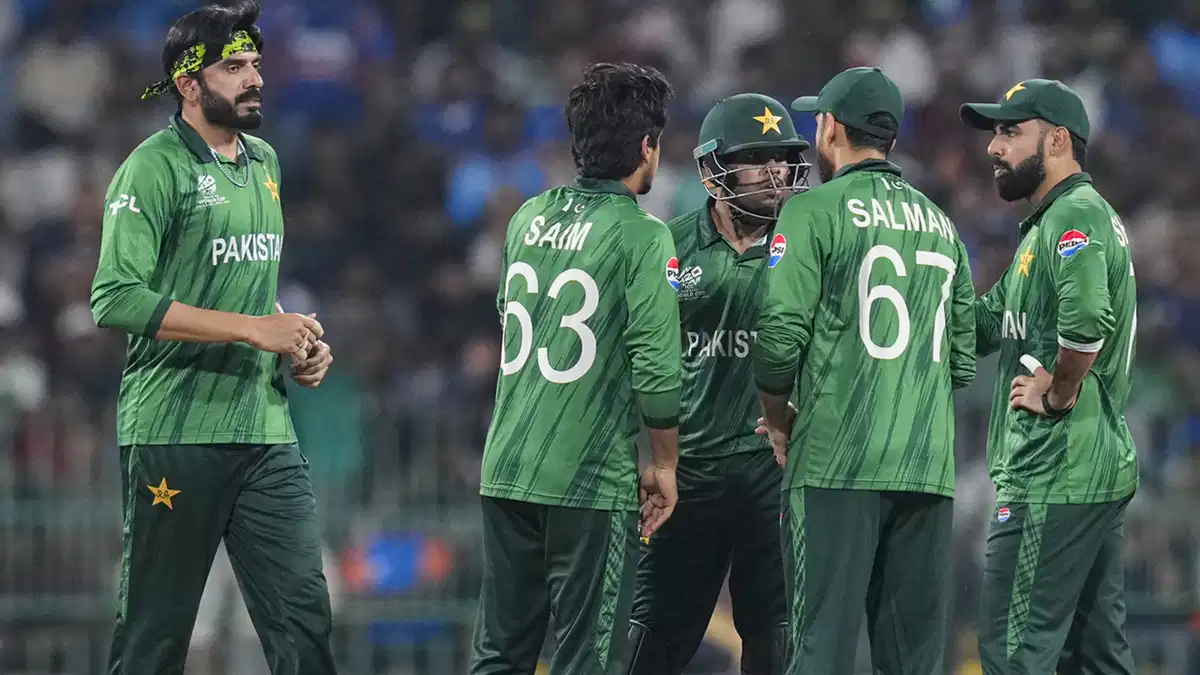
Pakistans top three never really took control. The constant fall of wickets meant someone always had to rebuild, but no one actually did. As a result, there was neither foundation nor momentum just pressure.
Indias Death-Bowling Execution
Once the required rate went into double digits, Indias bowlers went to work with their full range:
-
Slower balls into the pitch.
-
Wide yorkers outside the hitting arc.
-
Hard, back-of-a-length deliveries that were tough to hit for six on that surface.
By the time Pakistan crossed the 10-over mark, the contest wasnt exactly over on the scoreboard, but in terms of body language and momentum, India were firmly in control.
What This Win Means For India
This result is bigger than just another tick in the group stage.
Big-Match Reputation Strengthened
India have long been seen as a side that rises to big ICC occasions, especially against Pakistan. This 61-run margin reinforces that narrative. It wasnt about scraping through; it was about dominating a high-octane clash from a position of strength.
Qualifying comfortably for the Super Eight, and doing so with a strong net run rate, gives India valuable breathing space. It allows them to manage workloads, tweak combinations if needed, and still stay ahead in the race.
Ishan Kishans Defining Knock
For Ishan Kishan, this 77 could become a career-defining T20I knock. As a left-handed opener who can dismantle quality pace in high-pressure games, hes just made himself incredibly difficult to ignore for the rest of this tournament and possibly future ICC events.
Performances like this dont just win matches; they reshape team strategies and selection debates.
What This Loss Means For Pakistan
For Pakistan, this defeat cuts deep and not just because its another World Cup loss to India.
Old Problems Resurfacing
The 61-run margin throws a harsh spotlight on issues that have haunted Pakistan across formats and tournaments:
-
Over-reliance on a few star batters.
-
Inconsistent contributions from the middle order.
-
Struggles when chasing under sustained scoreboard pressure.
Their campaign isnt dead, but its definitely complicated now. Qualification scenarios may hinge on net run rate and other results, which is never where you want to be after a marquee game.
Mindset And Method Need A Reset
India vs Pakistan T20 World Cup 2026, This defeat also underlines the mental and tactical hurdle Pakistan still face in World Cup games against India. The management will have to work on:
-
More flexible, situation-based batting plans for chases.
-
Clear roles in the middle order.
-
Greater composure when the required rate climbs instead of panicking into low-percentage shots.
For younger players, this is a brutal lesson: if you let early wickets and a rising asking rate dictate your decisions, even a chase that looks manageable on paper can unravel frighteningly fast.
The IndiaPakistan Rivalry: Familiar Story, New Chapter
Every IndiaPakistan World Cup clash feels like a new episode in a long-running series different characters, different conditions, but a familiar theme lately.
India continue to hold the upper hand in T20 World Cup meetings, and this result stretches that dominance. On paper, its just another win; emotionally, it widens the gap and adds to Pakistans psychological baggage.
Look at the contrast:
-
In 2024, India defended a modest 119 in New York.
-
In 2026, they bossed the game with 175 and won by a record 61 runs.
Whats common? Indias composure in big moments. Whether defending a small total or capitalising on a big one, theyve consistently shown more clarity and structure on the World Cup stage.
Looking Ahead: Indias Super Eight Push And Pakistans Fightback
Indias Road Forward
With progression from Group A effectively secured, India now have:
-
A top order thats firing.
-
A middle order capable of adjusting to conditions.
-
A bowling group that combines pace, spin, and variation beautifully.
Their challenge from here is about maintaining intensity, managing niggles and fatigue especially for fast bowlers and all-rounders and continuing to stay tactically ahead of opposition teams in the Super Eight and knockouts.
If they keep this balance, theyll be among the strongest contenders for the title.
Pakistans Path To Redemption
Pakistans story in this ICC Men’s T20 World Cup isnt finished yet. They still have group games left, and a strong finish can keep them alive if other results fall in their favour.
What will decide their fate?
-
Whether they make bold, smart selection calls.
-
How they reorganise their batting order.
-
How quickly they can mentally reset after such a heavy defeat.
This tournament can still become a tale of revival but only if they treat this loss as a turning point, not just another scar.
Similar Articles:T20 World Cup 2026 Full Schedule: Dates, Venues, Fixtures & Key Matches
Conclusion
India vs Pakistan T20 World Cup 2026, this India vs Pakistan clash was less about drama and more about dominance. India ticked almost every box: a fearless, tone-setting innings from Ishan Kishan, intelligent middle-overs batting, sharp captaincy, and a complete bowling performance that suffocated Pakistans chase.
For India, its a powerful message to the rest of the tournament: this is a team with depth, clarity, and big-match nerve. For Pakistan, its another painful reminder that unless they fix old flaws and evolve tactically, the World Cup stage especially against India will keep exposing them.