Paras Dogra Ranji Trophy Records, If you follow Indian domestic cricket even a little, youve probably heard Paras Dogras name whispered with a mix of respect and disbelief. Heres a batter who has churned out mountains of runs, broken longstanding Ranji Trophy records, and yet never quite broke into a long international career. His journey is the perfect example of how sheer perseverance, hunger for big scores, and quiet excellence can turn a smalltown cricketer into a domestic legend.
Early Life: From Palampur Hills To Big Dreams
Paras Dogra was born on 19 November 1984 in Palampur, a serene hill town in Himachal Pradesh, tucked into the Dhauladhar range of the Himalayas. Sounds picturesque, right? But from a cricketing point of view, it was anything but easy. This wasnt Mumbais maidans or Delhis academies; it was a region where cricket infrastructure lagged behind the big centres.
Growing up, Dogra had to fight both geography and perception. The grounds were rugged, the facilities basic, but the passion was intense. Batting on uneven hill pitches forced him to develop a compact technique and a strong temperament very early. Coaches in the Himachal setup quickly noticed a kid who was ready to bat long hours, soak up pressure, and grind out runs when others were losing patience.
For youngsters from socalled small states, his rise became a powerful message: you dont have to be from a traditional powerhouse to dream big.
Stepping Into FirstClass Cricket: Himachals MiddleOrder Rock
Paras Dogra Ranji Trophy Records, Dogra made his firstclass debut for Himachal Pradesh in the 200102 Ranji Trophy season, still a teenager trying to prove he belonged at that level. He slotted into the middle order and, over the years, turned into the sides batting backbone.
He wasnt the flashy, 30ball70 type of batter. Instead, he was the player you sent in when the ball was seaming, wickets were tumbling, and someone had to rebuild. His game revolved around:
-
A tight, compact technique.
-
A solid base at the crease.
-
A wide strokerange on both sides of the wicket.
-
An ability to read conditions quickly and adjust.
What really separated him from many of his peers was his obsession withbigscores. Fifties were good, but he treated them as a platform, not a destination. Season after season, without much noise, he just kept stacking up runs.
Building A Reputation: Longevity And Relentless Consistency
Most domestic players have a purple patch of three or four seasons; Dogra stretched his prime across nearly two decades. To do that, you need way more than just talent. Fitness, discipline, mental toughness, and an almost stubborn love for batting all played their part.
By the time hed played over 140 firstclass games, Dogra had closed in on and then crossed the 10,000run mark in the Ranji Trophy, becoming only the second player in the tournaments history to do so. His firstclass numbers have hovered around:
-
Close to 10,000 firstclass runs (and now beyond in Ranji alone).
-
An average in the high 40s.
-
30plus centuries, with 32 firstclass tons a widely reported landmark, and 33 Ranji centuries now placing him second only to Wasim Jaffer in the tournaments history.
These are not good domestic stats; these are elite numbers that can stand scrutiny in any era.
RecordBreaking Ranji Trophy Feats: The DoubleTon Specialist
Paras Dogra Ranji Trophy Records, If theres one area where Paras Dogra has rewritten the record books, its double centuries in the Ranji Trophy. In November 2015, he equalled the then record for most Ranji double tons by slamming his seventh 200plus score. That alone is a staggering achievement. But he wasnt done.
In December 2018, he hammered a sensational 253 off 244 balls for Puducherry against Sikkim, going past the previous benchmark and becoming the first batter to reach eight double centuries in Ranji history. That knock wasnt just big, it was brutal30 fours and 7 sixes, scored at quicker than a run a ball.
More recently, he has moved on to a jointrecord nine Ranji double hundreds, matching Cheteshwar Pujara at the top of that list. Think about that: in a tournament that has been around for over 90 years, he sits at the very summit when it comes to going big once hes set.
His doubleton record tells you two important things:
-
Once in, he doesnt let go.
-
His concentration doesnt dip after 100; it often strengthens.
Driving Himachals Rise: From Underdogs To Competitors
Dogras story is also tightly woven into the transformation of Himachal Pradesh cricket. When he started, HP were seen as a minnow in the Ranji circuit, expected to be rolled over by the traditional giants. But as Dogra started piling on centuries and big scores, Himachal began to punch above their weight.
Younger batters in the state setup looked at him as a live template:
-
How to prepare before a game.
-
How to construct an innings.
-
How to stay patient when runs are hard to come by.
-
How to value your wicket across a long season.
Over time, Himachal shifted from being easy points on the schedule to a side that bigger teams took seriously. Dogras runmaking and example played a huge part in that evolution.
A Bold Move: New Chapter With Puducherry
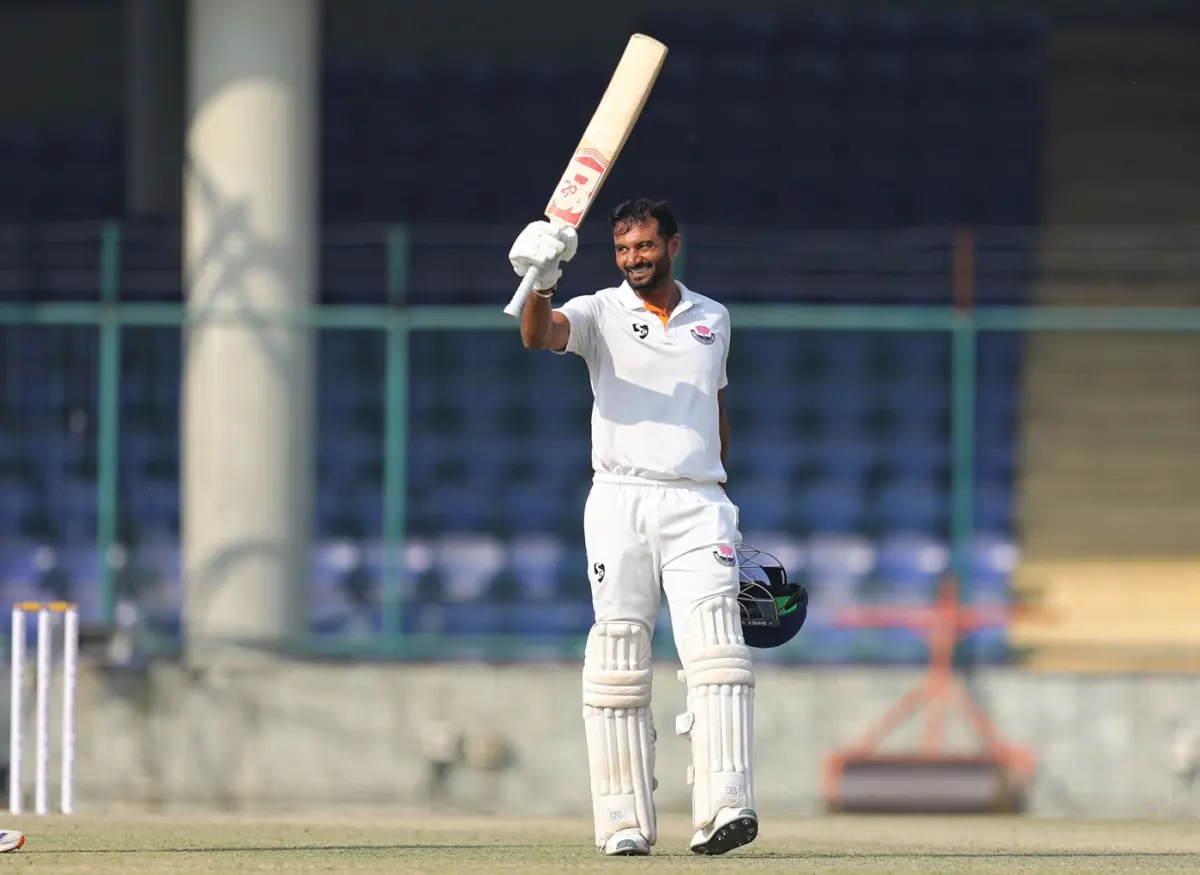
Paras Dogra Ranji Trophy Records, After spending most of his career with Himachal, Dogra made a bold and somewhat surprising move before the 201819 season: he shifted to Puducherry, a new entrant in Indias domestic setup. For him, it wasnt just a transferit was a fresh test.
He instantly became the experienced pillar in a young, evolving dressing room. And he didnt just bring experience; he brought runs:
-
In the 201819 Vijay Hazare Trophy, he topscored for Puducherry with 257 runs in six matches.
-
In November 2018, he became Puducherrys firstever centurion in the Ranji Trophy.
-
He followed that up with the iconic 253 against Sikkim, his recordbreaking eighth double ton.
-
He finished that Ranji season with 729 runs in eight matches, again leading the run charts for his side.
Thats how you announce yourself in a new team: you change the record books and the dressingroom mindset at the same time.
Playing Style: Technique, Temperament, And A Love For The Long Haul
So what makes Paras Dogra so hard to dislodge?
As a righthanded middleorder batter, his game is built on a compact, repeatable technique. He doesnt overcommit, his head stays still, and his base is strong. Against spin, he uses smooth footwork to reach the pitch of the ball, work the singles, and put away anything loose. His legside playthose whippy flicks and firm driveshas been a huge scoring area over long innings.
In firstclass cricket, his superpower is temperament:
-
Hes happy to leave ball after ball early on.
-
Hes comfortable batting for hours.
-
He gradually expands his strokerange as bowlers tire.
-
He converts starts into hundreds, and hundreds into doubles.
He bowls the odd legbreak, but thats just a side note; his entire identity is that of a specialist batter.
In limitedovers cricket, especially T20s, his role tends to be more of an anchor. He might not be the guy who slogsweeps every second ball into the stands, but he provides stability, experience, and game awareness when a chase is wobbling or a collapse is brewing.
IPL Stints: A Taste Of The Big League
Paras Dogra Ranji Trophy Records, Given his domestic dominance, the IPL was always going to come calling. Dogra first joined Rajasthan Royals in the inaugural 2008 season, but had to wait until the third edition to actually make his IPL debut. He later featured for Kings XI Punjab and Kolkata Knight Riders, adding valuable bigleague exposure to his career.
Across 13 IPL matches, he scored 127 runs with a top score of 41 and a strike rate in the low 90s. On paper, those numbers wont blow anyone away. But they also tell you something about the realities of T20 leagues:
-
Middleorder domestic specialists often get short roles and limited opportunities.
-
Its not easy to translate a longformat, accumulationbased game into impactcameo T20 roles.
-
Roles can change quickly; security of position is rare.
Still, the chance to share dressing rooms with international stars and top Indian players would have sharpened his tactical understanding and broadened his view of modern cricket. He also featured in various T20 and List A tournaments beyond the IPL, strengthening his allformat rsum.
Leadership And Mentorship: The Quiet Captain Without The Badge
Dogra hasnt always worn the captains armband, but you dont need an official title to be a leader. When youve scored thousands of runs across hundreds of innings, younger players naturally gravitate toward you.
In both Himachal Pradesh and Puducherry, he became the goto senior pro for:
-
Advice on how to prepare for a season.
-
Tips on handling pressure phases in an innings.
-
Understanding how to build big scores.
-
Balancing personal form with team needs.
His move to newer setups like Puducherryand later his role guiding Jammu & Kashmir to a maiden Ranji semifinalspeaks volumes about his influence beyond his own statistics. Hes been a culturesetter as much as a rungetter.
Milestones, New Records, And The 10,000Run Club
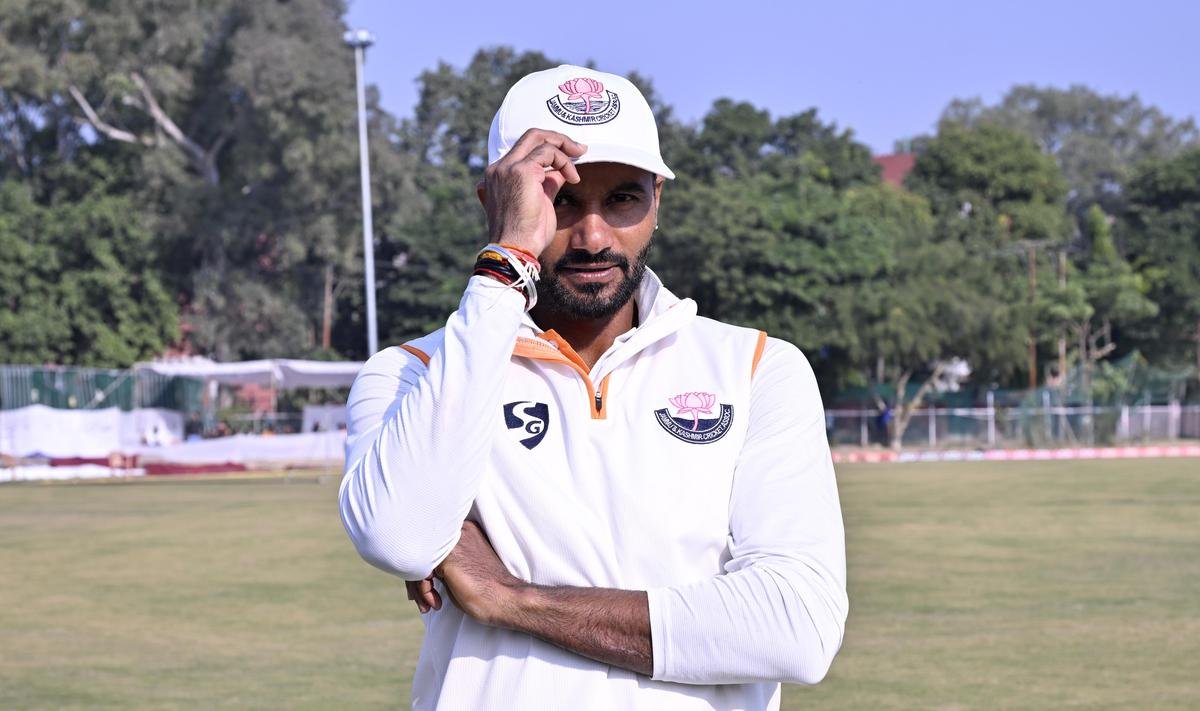
Paras Dogra Ranji Trophy Records, Dogra has kept adding chapters to his story instead of winding it down. In the 202526 Ranji season, playing for Jammu & Kashmir, he crossed 10,000 runs in the Ranji Trophy, becoming only the second man in history to reach that mark after Wasim Jaffer. That milestone came alongside his 33rd Ranji century, which pushed him to second place on the alltime list for centuries in the competition.
As things stand:
-
He is past 10,000 Ranji runs, second only to Jaffer.
-
He has 33 Ranji centuries, the most among active players and second overall.
-
He jointly holds the record for most Ranji double tons with nine.
For a player who never got a prolonged international run, thats the definition of a heavyweight domestic career.
Legacy: What Paras Dogra Really Represents
So, what does Paras Dogra stand for in Indian cricket?
He represents every batter who has turned up season after season on quiet grounds, facing new balls in December cold, batting on tired pitches in March heat, and still finding a way to score runs. His career underlines a hard truth: sheer weight of runs doesnt always guarantee an India capbut it absolutely guarantees respect.
His legacy can be summed up in a few key ideas:
-
Domestic greatness is a valid and valuable cricket career.
-
Smallstate players can redefine whats possible.
-
Longevity, conversion, and consistency can build a legend even without international fireworks.
For anyone who truly loves the deeper layers of Indian cricket, Paras Dogra isnt just a name on a scorecardhes a symbol of the Ranji Trophys soul.
Off The Field: Social Media, Inspiration, And Cult Status
Paras Dogra Ranji Trophy Records, players dont just live in scorecards; they also live on social feeds. Dogras Instagram presence highlights milestone numbers32 firstclass centuries, multiple double hundreds, and a run tally close to 10,000 at one stagewhich double as both personal markers and motivational posts for aspiring cricketers.
For players from lesserknown regions, hes proof that:
-
You can build a serious career even if you dont have a bigcity background.
-
Domestic performances matter, both for your livelihood and your legacy.
-
Consistency in the grind of multiday cricket is its own kind of stardom.
Among hardcore Ranji Trophy followers, hes developed a cult following. They see him as the poster boy for domestic excellence that didnt always get the national limelight it deserved.
Similar Articles:Vijay Shekhawat Cricketer Biography, Career Stats & Future Prospects
Conclusion
Paras Dogra Ranji Trophy Records, Paras Dogras journey from the hills of Palampur to the summit of Ranji Trophy record books is a masterclass in persistence, discipline, and quiet ambition. He may never have become a household name in international cricket, but in domestic circles, he is a giant. His recordsover 10,000 Ranji runs, 33 centuries, and a jointrecord nine double tonsare not just numbers; theyre chapters in a story that will inspire generations of smalltown cricketers. In the end, Paras Dogra proves that you dont need a baggy blue cap to leave a deep and lasting mark on Indian cricket