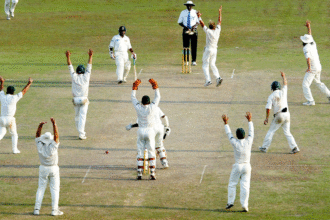
IPL 2026 Last Ball Finishes – The Most Dramatic Final Deliveries, Nail-Biting Match Endings and Greatest T20 Tension
The last ball of a close IPL match is cricket’s most concentrated moment of individual sporting significance – the single delivery where an entire franchise’s twenty-over competitive effort is resolved into a yes-or-no question of whether the batting team can score the runs they need or whether the bowling team can prevent them. The last ball finish – where the match result is determined by the final delivery rather than being settled comfortably earlier in the death overs – is the T20 format’s most intensely dramatic competitive outcome, compressing the match’s entire narrative into one specific bowling action, one specific batting decision, and one specific ball-meets-bat contact event that distributes triumph and despair between two teams and hundreds of millions of supporters in the span of a single second. IPL 2026 will produce its last ball finishes as every previous season has – the specific matches where an over’s management, a batter’s form, a bowler’s execution, and the match situation’s run requirement combine to create the conditions where the final delivery must determine the result. This comprehensive guide to IPL 2026 last ball finishes covers the anatomy of these dramatic match endings, the specific player skills that most commonly decide them, the historical record of IPL’s most famous last ball moments, and the anticipatory analysis of which types of matches and which specific players are most likely to create the 2026 season’s most dramatic final delivery moments.
The Anatomy of a Last Ball Finish – How These Moments Are Created
Last ball finishes in IPL cricket are not random occurrences – they are the specific end state of a match where multiple preceding decisions across both teams’ innings have collectively produced the exact run-requirement scenario where the final delivery must determine the result. Understanding how these situations develop from the match’s opening deliveries through the twenty overs of competitive cricket that precede the final ball helps cricket fans appreciate last ball finishes as the accumulated consequence of tactical decisions, individual performances, and competitive management rather than as purely accidental match outcomes.
The most common pathway to an IPL last ball finish involves a first-innings batting team posting a competitive but not dominant total – typically a score in the 150 to 175 range that provides an achievable but demanding chase target – followed by a second-innings chase that maintains roughly sufficient scoring rate throughout the middle overs to remain mathematically competitive but that arrives at the final over needing more runs than a comfortable victory would require. The final over’s run requirement – typically between 12 and 20 runs needed from six balls for a last ball finish to remain possible – determines whether the match can realistically end with a last ball win or loss, as requirements above 20 runs from the final over make the chase effectively impossible even before the over begins.
The bowler assigned to bowl the final over in a last ball finish scenario is typically the fielding captain’s best available death bowler – the specific bowler whose combination of yorker accuracy, pace, and variation make them most capable of restricting the batting team’s scoring in the pressure of the final over. When this bowler performs to specification – hitting the yorker length consistently, varying pace with effective slower balls, and avoiding the full-toss or mid-pitch deliveries that the batting team’s final-over specialist is poised to punish – the bowling team typically controls the last ball finish’s outcome more reliably than when the final over falls to a less specialist bowler who lacks the specific last-over death bowling skills that the pressure situation demands.
Batting in Last Ball Situations – The Ultimate T20 Challenge
The batting team’s challenge in a last ball finish scenario is the most psychologically and technically demanding individual cricket situation available outside of the Super Over format itself – the requirement to hit a specific target number of runs from a single delivery against a quality death bowler who is fully concentrated on preventing exactly that outcome. The batter facing the last ball of a must-win situation must simultaneously manage the technical requirements of batting against death bowling and the psychological requirements of performing under the most intense scrutiny and highest personal stakes that the match can create at any single moment.
The specific technical challenge of the last ball batting situation depends on how many runs are needed from that delivery. Needing one run to win requires the batter to simply make contact with the ball and score anywhere – the most basic batting requirement that should theoretically be achieved reliably but that the specific pressure of the situation occasionally causes batters to overcomplicate through misjudging whether to swing hard or simply place the ball. Needing two runs to win requires completing a run after making contact – the timing and placement awareness that running between wickets requires being added to the batting technique challenge. Needing four runs to win requires hitting the boundary from the last ball – a batting achievement that demands both the stroke quality to middle the ball and the power or placement precision to reach the rope. Needing six to win requires clearing the boundary rope from the last delivery – the specific maximum-achievement last ball scenario that produces IPL cricket’s most celebrated individual moments when successfully completed.
Famous IPL Last Ball Six Moments – When Batters Delivered the Impossible
The IPL’s history contains a specific collection of last ball six moments that have achieved legendary status in Indian cricket’s collective memory – the individual deliveries where a batter needed to clear the boundary to win their team the match, faced the bowling team’s best death bowler under maximum pressure, and completed the shot that transformed apparent defeat into improbable victory. These moments – captured forever on broadcast footage and replayed across social media for years after the specific match that created them – represent the specific form of sporting greatness that T20 cricket most completely enables: the individual capable of performing at their absolute best precisely when the competitive stakes make doing so hardest.
The last ball six to win an IPL match requires the specific batting performance convergence of clear mental intent (committing to the maximum shot rather than playing for the safer but insufficient boundary four), precise technical execution (hitting the ball solidly and in the optimal trajectory for the boundary dimensions of the specific venue), and the physical power to clear not just the infield but the specific boundary distance that the venue requires for a six rather than a four. When these three requirements align in the pressure of a last-ball final delivery, the resulting shot and its result create the specific match-winning moment that IPL cricket has produced multiple times across its eighteen seasons and that the competition’s ongoing excellence makes virtually certain to deliver again in IPL 2026.
Bowling in Last Ball Finishes – The Death Bowler’s Defining Moment
The bowler who must deliver the final ball of a last-ball finish situation in IPL cricket faces a specific pressure experience that is unique even within cricket’s already pressure-laden competitive environment. Every run-prevention technique, every yorker practice session, and every previous death-over performance has been building toward the specific moment where six balls from the bowling team’s best death bowler must collectively prevent the batting team from scoring the specific runs they need for victory. The final ball is the distillation of this entire bowling campaign – the single delivery where the bowler’s specific skills must produce the outcome that all previous death-over preparation has been aimed at enabling.
The bowler’s specific strategic options for the last ball of a tight finish include the full-length yorker (targeting the batter’s blockhole to prevent any swinging contact), the wide yorker (targeting the outside edge of the crease to limit the swing radius), the slower-ball yorker (using pace variation to disrupt the batter’s timing on a maximum-attempt swing), and the short-pitched delivery (used rarely as the last-ball strategy but occasionally deployed against specific batters whose record shows vulnerability to chest-high pace). Each option has specific risk profiles – the yorker that misses its length becomes the full toss that the batter can hit freely, the slower ball that is read correctly by the batter provides the timing adjustment that a boundary-clearing shot benefits from.
Psychological Impact – Last Ball Losses and How Teams Recover
The specific psychological impact of losing an IPL match on the last ball – of being the bowling team that concedes the boundary or the losing batting team that fails to score the required runs from the final delivery – is one of cricket’s most acute individual and collective sporting disappointments, and its management by coaching staffs and team leaders is an important but rarely discussed dimension of IPL team performance management. The team that loses a close match on the last delivery carries the specific psychological burden of “so near” that research on sports performance shows can affect subsequent performance more significantly than comprehensive defeats – the cognitive reprocessing of how a single delivery’s different outcome would have changed the entire match result being a thought pattern that requires active mental management to prevent it from affecting the performance quality of the following match.
Conclusion
IPL 2026’s last ball finishes will be the moments that stop India – the specific deliveries that freeze hundreds of millions of fans in front of their screens, in cricket grounds, and around radios and mobile devices in the anxious suspended moment between the bowler’s release and the ball’s final destination. CrickViews will be live through every one of these moments, providing the pre-last-ball strategic analysis, the real-time result celebration or commiseration, and the post-match reflection on what those final deliveries revealed about the players, the teams, and the competition that makes IPL cricket the most dramatically intense sporting event in India’s annual calendar. The last ball of IPL 2026’s most dramatic matches is the moment we are all waiting for – and we will experience it together.