India vs New Zealand T20 World Cup 2026 Final, If you love high‑stakes T20 cricket, this India vs New Zealand T20 World Cup 2026 final feels like it’s been years in the making. India are chasing back‑to‑back titles on home soil, while New Zealand are once again standing at the door of history, looking to finally walk through and claim their first T20 world crown.
Match Context: A Final Loaded With Narrative
The ICC Men’s T20 World Cup 2026 is being co‑hosted by India and Sri Lanka, with 20 teams, 55 matches, and eight buzzing venues split across the two countries. The tournament has thrown up big scores, last‑ball thrillers, and a few upsets, and now it all comes down to Sunday, 8 March 2026, with the final set in front of a packed house in Ahmedabad.
India arrive as defending champions, carrying the confidence of a settled core and a clear game model based on fearless batting and specialist death bowling. New Zealand, meanwhile, are back in familiar territory: another ICC knockout, another shot at finally shaking off the “nearly there” label that has followed them through multiple white‑ball events. They’ve once again used methodical, disciplined cricket to navigate the group stage and knockouts.
For India, a win would mean consecutive T20 World Cup titles and a statement that they truly own this format at home. For New Zealand, victory would be a breakthrough moment, the trophy that has slipped through their fingers repeatedly despite years of consistency on the big stage.
India’s Squad: Power, Depth and Home Comforts
India’s 2026 T20 World Cup squad looks like it was built in a lab for subcontinental T20 cricket: explosive left‑handers at the top, a flexible middle order, brutal finishers, and a bag full of spin and death‑over tricks. Suryakumar Yadav leads the side, and around him India have assembled Abhishek Sharma, Tilak Varma, Sanju Samson, Ishan Kishan, Rinku Singh, and all‑rounders Hardik Pandya, Axar Patel, Washington Sundar, and Shivam Dube.
With the ball, Jasprit Bumrah and Arshdeep Singh front the pace attack, while Harshit Rana brings a hit‑the‑deck, high‑energy option. Kuldeep Yadav’s left‑arm wrist‑spin, Varun Chakaravarthy’s mystery, plus the control of Axar and Washington give India a four‑man spin core that can be mixed and matched based on match‑ups and conditions. It’s the kind of variety that can choke sides in the middle overs on Indian pitches.
Key Strengths: How India Want to Control the Final
India vs New Zealand T20 World Cup 2026 Final, So what does India’s game plan actually look like in a high‑pressure final? Let’s break it down.
-
Powerplay intent at the top
Left‑handers like Abhishek Sharma and Ishan Kishan love going hard early, using the field restrictions to put opposition quicks under immediate pressure. If they nail their options, India can easily be 50–60 after six overs, forcing New Zealand to rethink plans on the fly. -
Middle‑order flexibility
Suryakumar Yadav, Tilak Varma and Sanju Samson aren’t one‑pace players; they can consolidate after early damage or flip a platform into a launchpad. Their range against both pace and spin means India are rarely stuck, even if the pitch grips a bit through the middle. -
Lethal finishing power
Hardik Pandya, Rinku Singh and Shivam Dube give India serious six‑hitting presence at the back end. If India reach around 90–100 after 10 overs, this trio can realistically push the score beyond 180 on many Indian surfaces, especially if one of them bats through the final five overs. -
Varied bowling toolkit
With Bumrah’s yorkers, Arshdeep’s left‑arm angle, Harshit’s heavy lengths, and a spin quartet that covers wrist‑spin, finger‑spin, and mystery, India can constantly play the match‑up game. Need to shut down a left‑hander? Axar and Kuldeep. Need to attack a new batter? Varun and Bumrah in tandem.
Think of India’s setup like a Swiss Army knife: whatever the situation, they’ve got a blade for it. The trick is using the right one at the right time.
New Zealand’s Squad: Balance, Discipline and Match‑Up Smarts
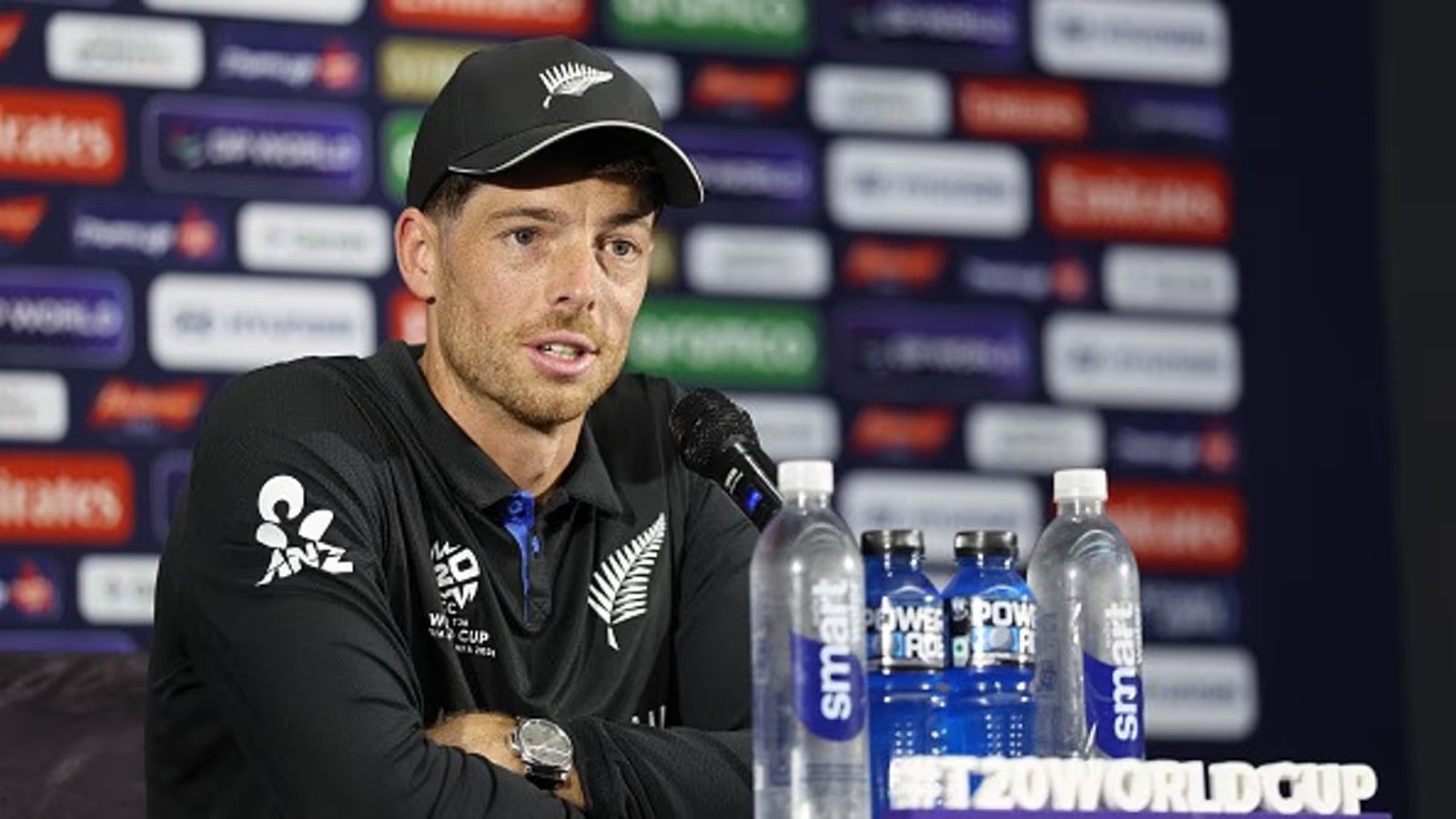
New Zealand’s 2026 squad, led by Mitchell Santner, is classic Black Caps: balanced, adaptable, and packed with multi‑skill cricketers who allow them to tweak plans mid‑game. They have top‑order firepower in Finn Allen, stability and touch through Devon Conway, all‑conditions strength in Daryl Mitchell, and middle‑order engines like Glenn Phillips, Tim Seifert, Mark Chapman, Rachin Ravindra, James Neesham and Michael Bracewell.
Finn Allen has evolved into one of the format’s most dangerous powerplay hitters, scoring heavily at a strike rate close to 190 since 2024, while Conway and Mitchell give New Zealand a strong spine through the middle overs. Down the order, Phillips, Neesham, Bracewell and Ravindra can all clear the ropes, giving them the depth to keep attacking if they manage risk thoughtfully.
With the ball, New Zealand combine high pace and heavy lengths with a wealth of spin options. Lockie Ferguson and Adam Milne bring serious speed and change‑ups, while Santner and Ish Sodhi anchor the spin department. Part‑timers like Bracewell, Phillips and Ravindra give them even more spin overs to play with on dry pitches.
New Zealand’s Game Plan: Squeeze, Survive, Strike
New Zealand rarely go into a big game without clear, data‑driven plans. Expect three main pillars to their approach in this final:
-
Pace enforcers up front and at the death
Ferguson and Milne will aim to hit hard lengths, push the speed gun, and use slower balls cleverly to disrupt India’s rhythm. On a slightly quicker surface, their bounce and pace can make stroke‑making tricky, especially early on. -
Spin squeeze in the middle overs
Santner’s left‑arm spin and Sodhi’s leg‑spin, supported by Bracewell, Phillips and Ravindra, allow New Zealand to bowl a very high percentage of spin if the pitch is dry. The idea is simple: dry up boundaries, force high‑risk shots, and pick up wickets through pressure rather than just magic balls. -
Relentless match‑up management
The Black Caps are famous for targeting individual batters with specific plans. Expect Santner to bowl a lot to right‑handers who struggle against left‑arm spin, Duffy or Henry to be used for control in the powerplay, and field settings that clearly reflect pre‑series analysis.
If New Zealand bat first and Finn Allen gets going, they could easily reach 50–60 in the first six overs. That opens the door for Conway and Mitchell to control the middle, setting the stage for Phillips and Neesham to go hard at the death.
Head‑to‑Head History: Old Scars vs New Mindset
India vs New Zealand T20 World Cup 2026 Final, Here’s where it gets really interesting: India’s overall T20I record against New Zealand is strong, especially in bilateral series played in India. They’ve beaten the Black Caps in recent home rubbers by handling their spin and change‑ups far more confidently on familiar pitches.
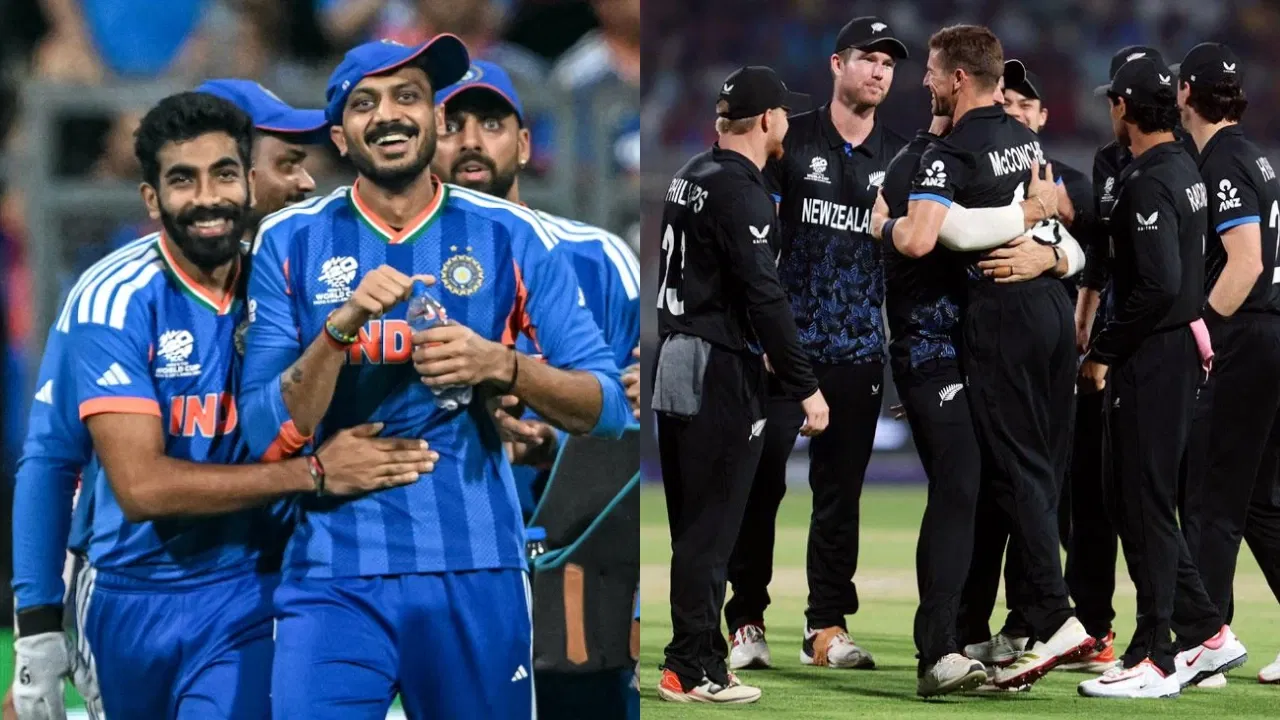
But in T20 World Cups, it’s been a very different story. New Zealand have beaten India in all three of their previous World Cup clashes in this format: by 10 runs in 2007, by 47 runs in 2016, and by eight wickets in 2021. Those defeats weren’t just losses; they shaped narratives about India struggling against disciplined, spin‑heavy attacks under World Cup pressure.
That history gives New Zealand a genuine psychological edge. They know they’ve cracked the code against India on the global stage before, especially by squeezing with spin and sticking to tight bowling plans. India, though, are not the same side they were in 2016 or even 2021. Their T20 approach has shifted towards sustained aggression, deeper batting, and more flexibility with the ball, a shift rewarded with the last T20 World Cup title.
So you’ve got New Zealand’s World Cup dominance on one side, and India’s recent home and bilateral superiority on the other. It’s a tug‑of‑war between historical scars and current momentum.
Key Match‑Ups That Could Decide the Final
As always in T20, a handful of head‑to‑head battles can swing the result. Watch these closely:
Jasprit Bumrah vs Finn Allen
This is box‑office stuff. Bumrah brings unmatched control, yorkers, and subtle variations. Allen brings fearless, see‑ball‑hit‑ball aggression in the powerplay. If Bumrah nicks him off early or traps him with a slower ball, India immediately seize control. If Allen survives and flies, India’s plans get tested quickly.
India’s left‑handers vs New Zealand’s spin
Abhishek Sharma, Ishan Kishan, Tilak Varma and Rinku Singh will see plenty of Santner, Sodhi and Ravindra. New Zealand may jam the middle overs with spin aimed at cramping them for room, forcing them to hit against the turn or to the longer side of the ground. How these lefties rotate strike and pick selective boundaries will be crucial.
Suryakumar Yadav vs high pace
Suryakumar’s 360‑degree stroke‑play lets him turn good balls into scoring options, which can completely mess with Ferguson and Milne’s lengths. If he starts sweeping, scooping and lofting them into strange areas, New Zealand may have to rip up the plan and go to cutters and wide lines. Containing him for even 10–15 balls could be a mini‑victory.
Middle‑overs spin duel
On the flip side, India’s Kuldeep Yadav, Varun Chakaravarthy and Axar Patel against Conway, Mitchell and Phillips is another crucial contest. If India can strangle New Zealand in overs 7–14, forcing them into a rebuild rather than a launchpad, it could cap their total well below par. But if Conway and Mitchell line them up early, the Kiwis can ride that momentum into a huge finish.
Then there’s the toss factor. Dew in Indian night games can turn the ball into a bar of soap, making life miserable for spinners. Both captains may prefer chasing if they expect a heavy dew, but the pressure of a final, combined with a used surface that might slow down, often tempts teams to bat first and post runs on the board.
X‑Factor Players: The Game‑Breakers
Every final needs a couple of players who can ignore scripts and flip the game in a few overs. Here are the main candidates.
-
India’s X‑factors
-
Rinku Singh: One of the best finishers against pace at the death right now. If he walks in around the 15th over with a platform, he can turn 160 into 190 in a blink with his clean, straight hitting.
-
Kuldeep Yadav: A genuine middle‑overs wicket‑taker. If the pitch offers even a hint of grip, he’s capable of ripping out two or three key batters in quick succession, completely changing the chase or defence.
-
-
New Zealand’s X‑factors
-
Glenn Phillips: Brings serious power with the bat and handy off‑spin with the ball. His ability to score quickly even on slightly sticky pitches makes him a nightmare in the middle overs.
-
Rachin Ravindra: Offers balance as a top‑order option and a reliable spin bowler. If he gets going with the bat and then chips in with a few tight overs, he can quietly swing the game in New Zealand’s favour.
-
Think of these players as wild cards in a card game. You won’t always see them coming, but when they land, they can blow up carefully laid tactical plans.
Conditions and Venue: What Will the Pitch Do?
India vs New Zealand T20 World Cup 2026 Final, With India and Sri Lanka splitting hosting duties, most pitches this tournament have been true enough for batting but still friendly to spinners, especially as the event has worn on and surfaces have tired. The final in India is likely to follow that pattern: good pace early, then gradually slowing down, rewarding smart strike rotation, good use of angles, and powerful straight hitting rather than only cross‑bat power.
Weather at this time of year is generally dry, so the chance of rain interruptions is low. Dew, however, remains a big talking point for any night game in India. Captains will keep a close eye on the outfield in earlier matches and warm‑ups; a wet ball blunts grip for spinners from both sides and makes yorkers harder to execute consistently. If dew is heavy, chasing becomes more attractive, even in a final.
Who Starts Favourite – India or New Zealand?
Let’s be honest: on paper and in home conditions, India do start as marginal favourites. They have:
-
Deeper and more explosive batting that’s tailor‑made for Indian pitches
-
Greater variety in spin options plus a world‑class death‑bowling unit
-
The comfort (and pressure) of playing in front of a massive, supportive home crowd that knows how to lift them in big moments
At the same time, New Zealand are absolutely capable of turning the script upside down if they:
-
Strike early with the ball to drag India’s middle order into a rebuild under scoreboard and crowd pressure
-
Let Allen, Conway and Mitchell construct a strong batting platform
-
Use Santner and Ravindra cleverly to control India’s left‑handers and force them into low‑percentage shots in the middle overs
In other words, India may have the conditions and personnel slightly in their favour, but New Zealand’s World Cup record against India means this is nowhere near a guaranteed home coronation. If you’re looking for a safe prediction, it’s this: expect nerves, swings in momentum, and at least one unexpected hero.
How Fans Can Follow the Build‑Up and Analysis
If you want to dive even deeper into this final – from squad updates to venue details, schedule tweaks, and expert takes – the official ICC website is your best starting point. The ICC’s dedicated tournament hub for the 2026 T20 World Cup offers fixtures, news, and features that keep you plugged into every angle of this showdown.
Exploring sections focused on historical narratives, tactical previews, and in‑depth analysis will also help you understand the strategic layers behind buzz phrases like “India vs New Zealand T20 World Cup 2026 final preview” – the same themes fans are punching into search engines every day.
Read More: India vs England T20 World Cup 2026 Semi-Final: India Win Thriller to Reach Final
Conclusion
India vs New Zealand T20 World Cup 2026 Final, Where does that leave us? India walk into this final with a power‑packed batting lineup, layered spin options, and the comfort of familiar conditions, making them slight favourites on paper. New Zealand counter with balance, smarts, and a World Cup record against India that gives them every reason to believe they can silence a full house and finally lift a T20 world title.
This isn’t just another match; it’s a clash of styles, histories and mindsets. Whether you’re backing the defending champions or the eternal dark horses, one thing’s almost certain – the 2026 T20 World Cup final between India and New Zealand will be one of those nights you remember long after the lights go out in Ahmedabad.